


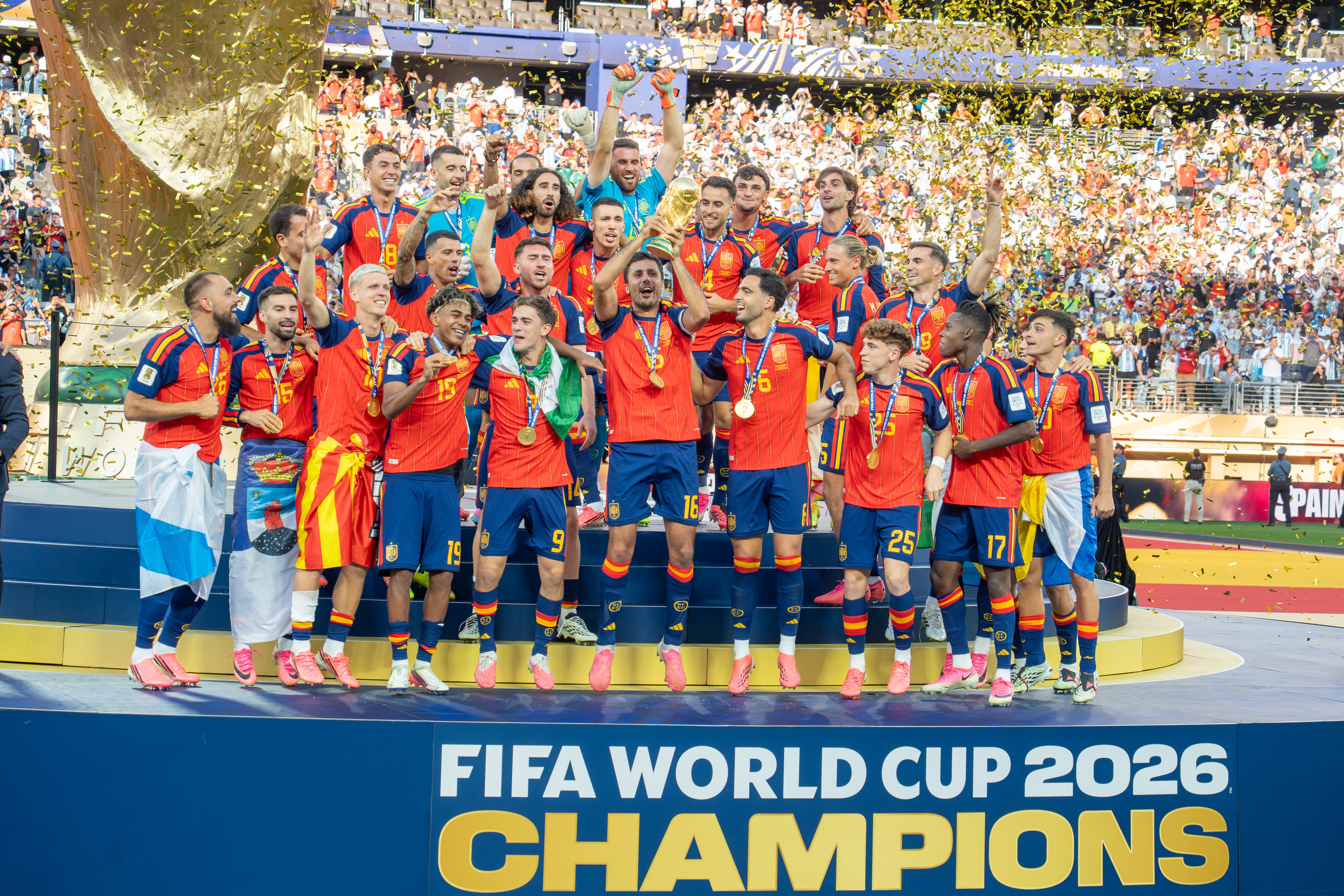
Spain are world champions, defeating a toothless Argentina 1-0 after extra time on Sunday evening. The Spanish restricted Argentina so severely that the World Cup holders became the first side in World Cup final history to fail to register a single shot in normal time. Across the full 120 minutes, Argentina did not manage a single shot on target.
It was also the first World Cup match of Messi’s career in which he failed to create a single chance for his teammates. That could easily be framed as a 39-year-old Messi having an off day, but it was far more about Spain’s complete control of the match. They made Argentina look distinctly ordinary.
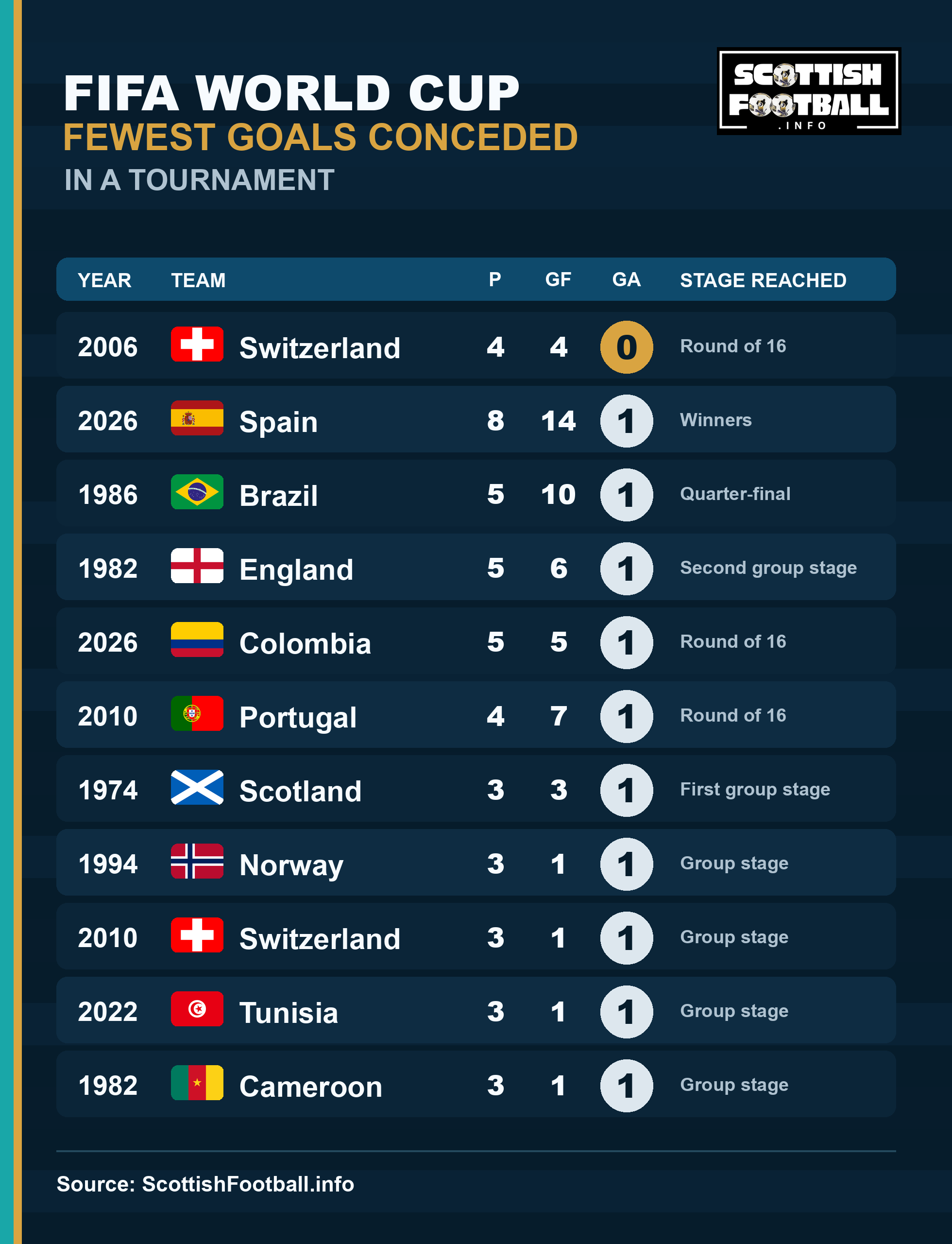
Spain faced only 10 shots on target across their entire eight matches at the tournament. They managed 11 shots on target against Argentina in the final alone.
Spain allowed just 2.37 expected goals across the whole World Cup, around 0.28 per 90 minutes, the lowest defensive rate recorded. They are also the first World Cup winners to go through the tournament conceding only one goal, and they did it while playing an extra knockout match in the new expanded format.
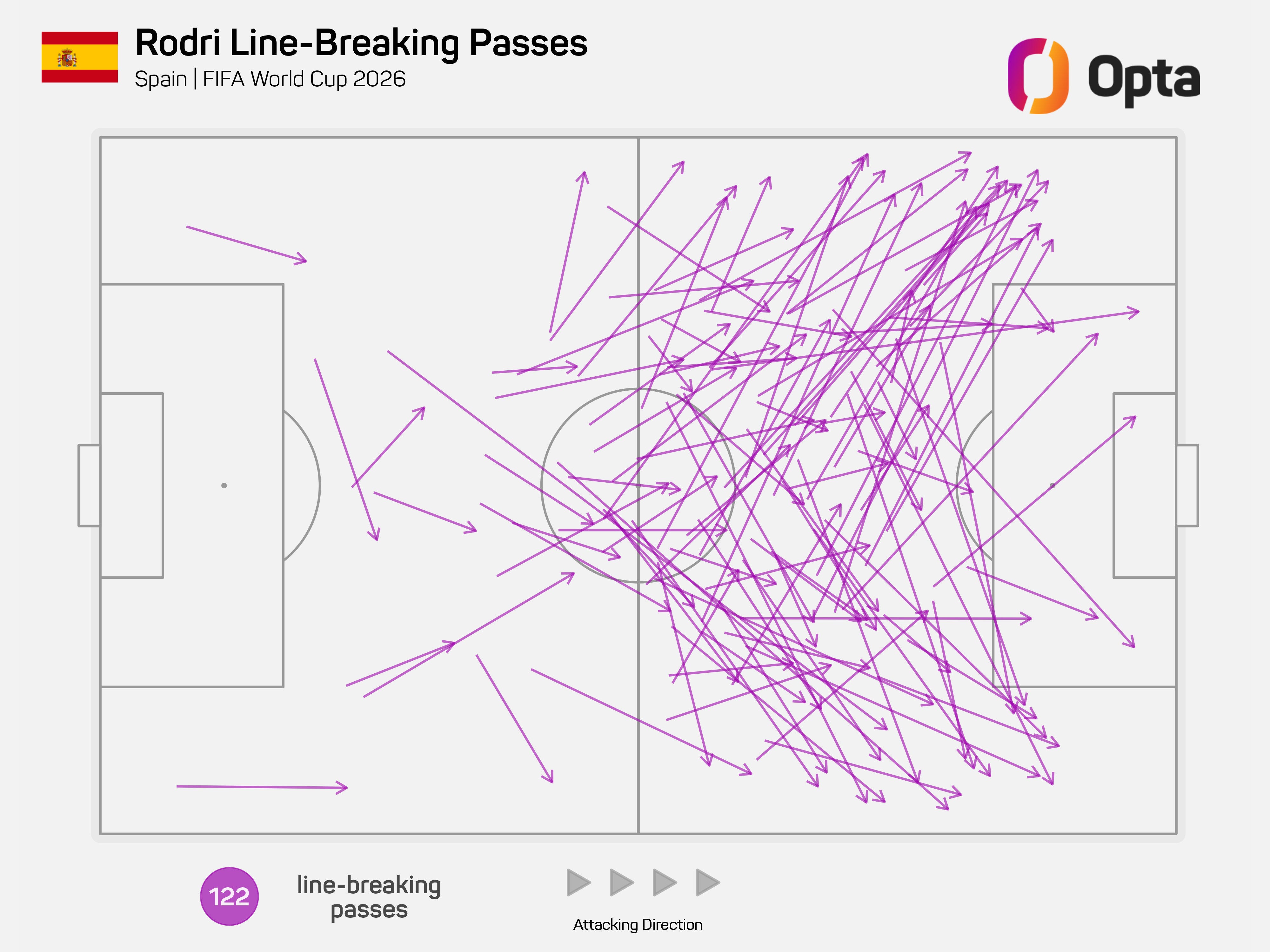
Manchester City midfielder Rodri was a huge part of that success. He won the Golden Ball as the tournament’s best player after making 122 line-breaking passes, the most by any player at a World Cup since Xabi Alonso recorded 126 when Spain last won the tournament in 2010.
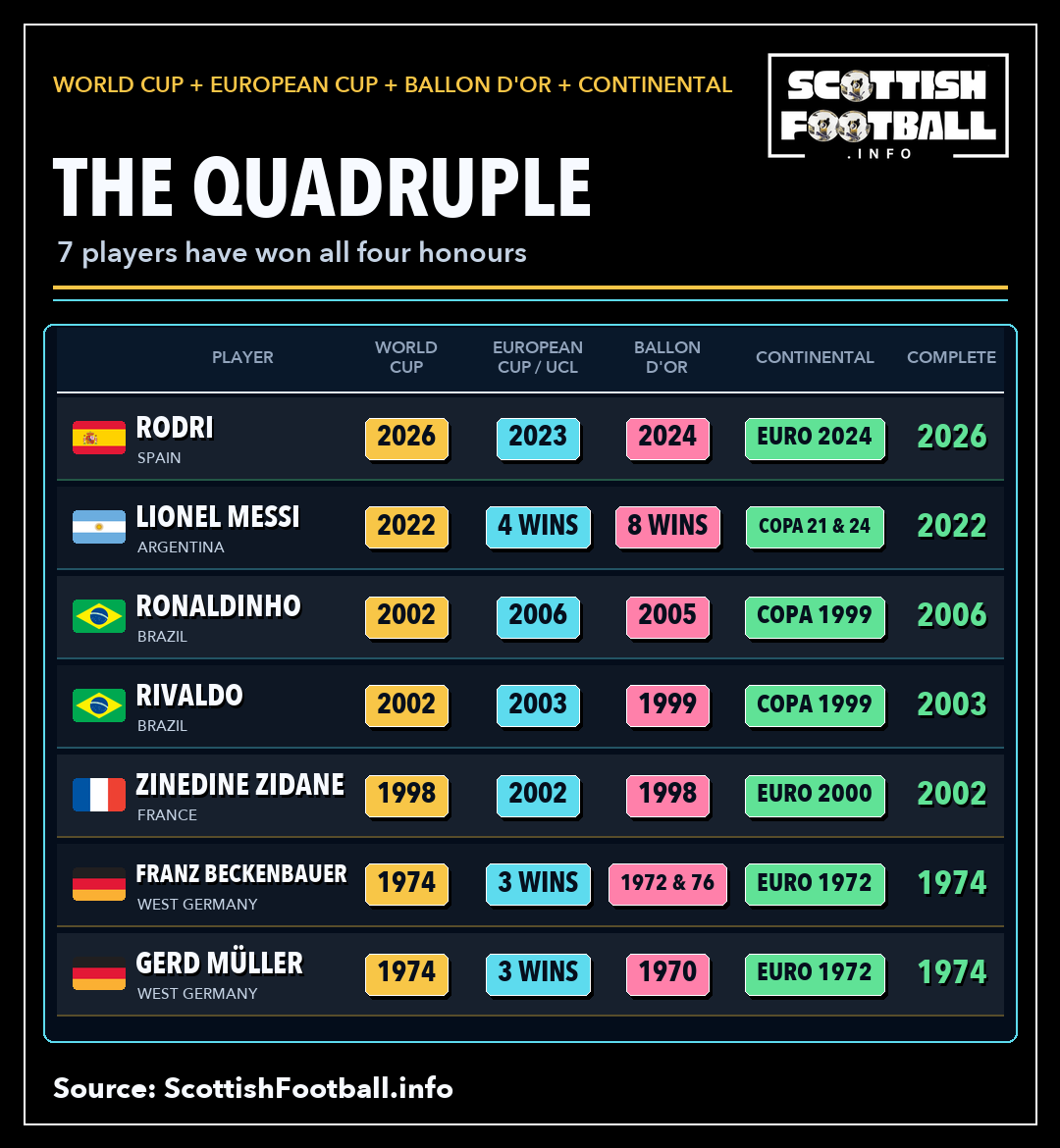
In winning the World Cup, Rodri became just the 11th man to win the World Cup, the Champions League/European Cup, and the Ballon d’Or.
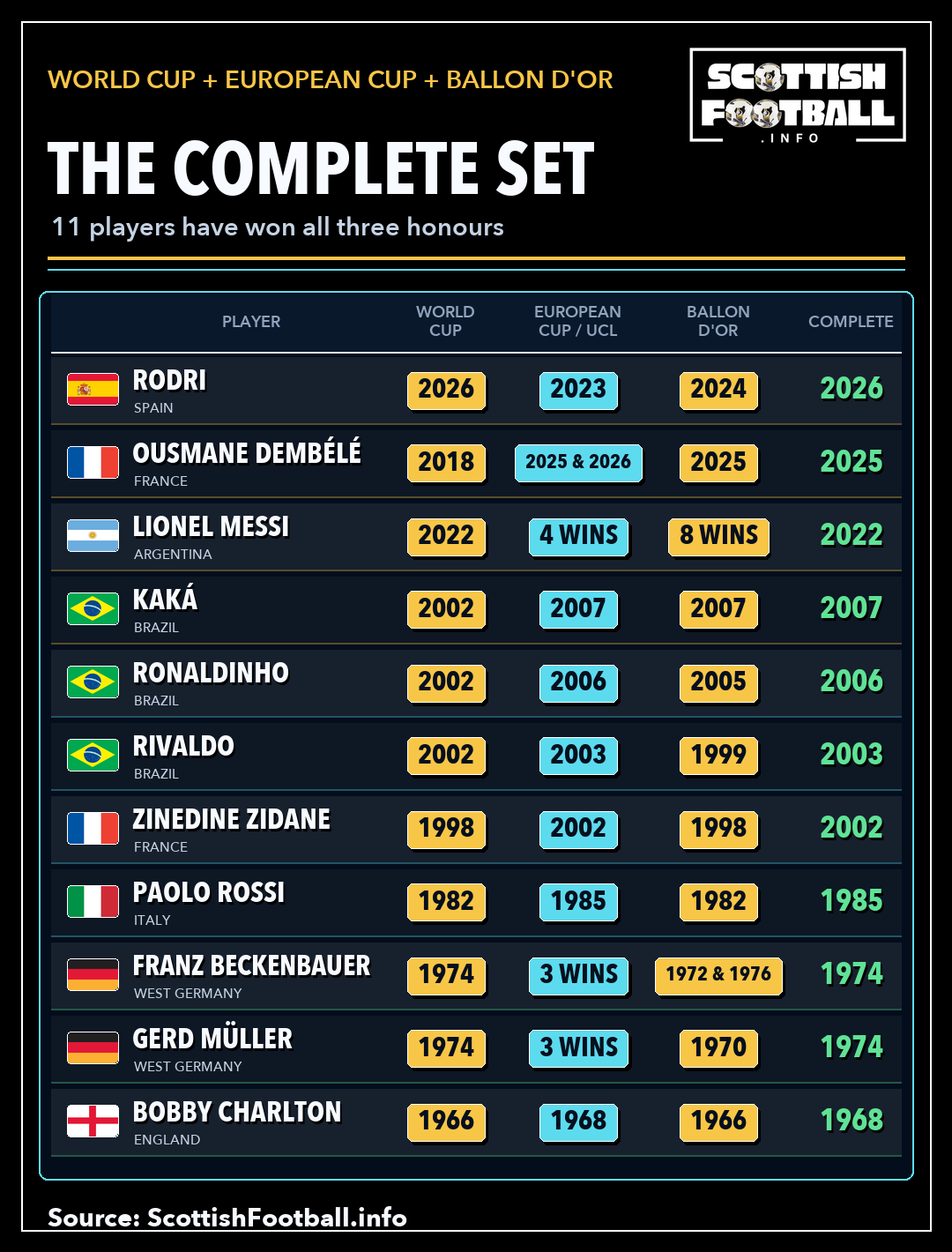
When we add in a continental title, either the European Championship or the Copa América, the list becomes even more exclusive. Charlton, Rossi, Kaká and Dembélé drop off, leaving just seven players. Incidentally, if we were to add in the Copa Libertadores, the highest club competition in South America, Ronaldinho would be the only man left.
So where do this Spain team rank against all other teams in history?
It is an impossible question. Comparing teams from different eras always is. Are they even the best Spanish team ever, or does the 2008-2012 edition featuring Xavi, Iniesta, Busquets, Torres, Villa and Alonso still eclipse them? My instinct still leans towards that 2008-2012 side, but proving it is far harder than saying it.
So what data can we use?
The FIFA rankings are probably calculated better now than they have ever been in the past, but it’s clear that the FIFA rankings have had lots of flaws over the years. Belgium, for example, spent 1,239 days at number one between September 2018 and February 2022, the third-longest reign in FIFA ranking history behind only two separate Brazil runs. Belgium were a great side, but that alone shows why the FIFA rankings often struggle to represent the ‘truth’ regarding who the best teams are.
An alternative is Elo ratings. These are a way of measuring team strength through results. In basic terms, every team has a rating. If you beat a strong team, you gain more points than you would for beating a weak team. If you lose to a weaker team, you lose more points than you would for losing to a stronger team. Football Elo systems usually also adjust for things like home advantage, goal difference and match importance, so a World Cup knockout win carries more weight than a friendly. This is broadly the logic behind FIFA’s newest ranking system, but they haven’t always been that way, and so comparisons using historic rankings are flawed.
I find Elo useful for assessing the relative strength of opponents facing Scottish teams in Europe. The UEFA coefficient matters because it decides seedings and prize money, but it is flawed as a measure of current team quality. If a club has little or no European record across the five-year reference period, its coefficient is based on its own points or 20% of its association’s coefficient, whichever is higher. That can leave strong new entrants into Europe looking weaker on paper than they really are, for example in recent years we’ve seen the likes of Aston Villa and Crystal Palace returning to Europe. They would be low ranked based on their UEFA coefficient, when in reality they would be amongst the favourites to win the competition.
Elo rankings are therefore often a better reflection of team strength. A 2010 study by Lars Magnus Hvattum and Halvard Arntzen found that Elo-based ratings had strong predictive value for football results, while the old FIFA ranking system performed poorly by comparison. They are also better for comparing teams from today to teams from 10 years ago, as we can look at the peak Elo score each team reached.
This is better than looking at FIFA rankings but there are obviously still flaws. Elo systems are not official rankings and so can vary by website, especially for club teams. They depend on assumptions about home advantage, match weighting, goal-difference weighting and starting ratings. At a national level, they can be affected by teams playing in different confederations, with uneven fixture difficulty. They can also lag behind sudden changes, such as a new manager, a tactical shift, injuries, or a golden generation ageing out.
Even with those caveats, I think Elo is one of the best available ways to compare the strength of teams across time. EloRatings.net only covers national teams, so for the club rankings I’ve used ClubElo.com’s ‘Best Teams in History’ table.
Without further ado, here are the top 10 national teams ever, the top 10 club teams ever:
Keep reading with a 7-day free trial
Subscribe to Scotland's Coefficient to keep reading this post and get 7 days of free access to the full post archives.