

Christmas Day Football in Scotland - and the Expected Chance of Snow (xS)
A light-hearted, but properly researched look at both Scotland’s Christmas Day football history and how often snow actually turns up on 25th December.

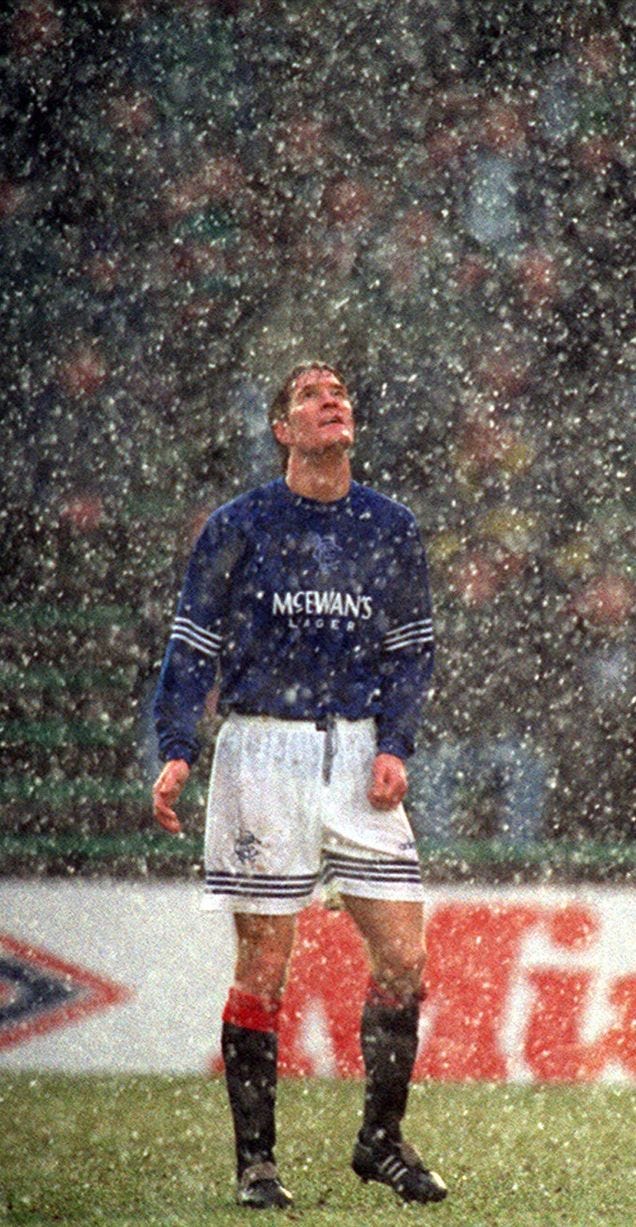
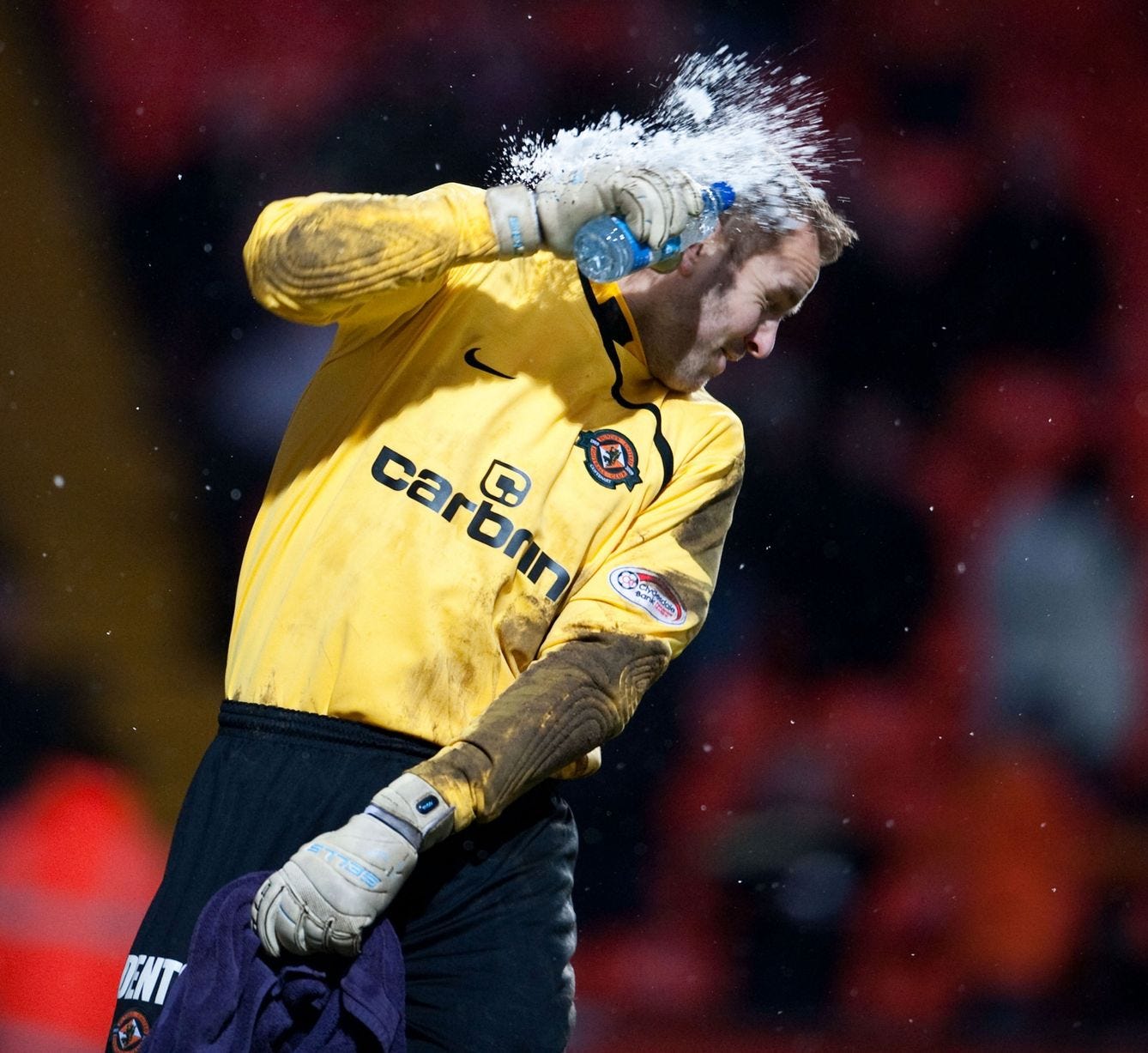
Quiz question: which club legends scored the last Christmas Day winning goals for Celtic and Rangers?
Christmas Day wasn’t made a public holiday in Scotland until 1958, despite being recognised as such since the 1800s in England. In Scotland, Hogmanay was bigger than Christmas - and so the football calendar didn’t stop for Christmas like it would now. If Christmas day fell on a Saturday = matches were played in Scotland, until as late as 1976. In England too, despite the public holiday status, football continued on Christmas day until 1965 - as bank holidays naturally resulted in higher attendances!
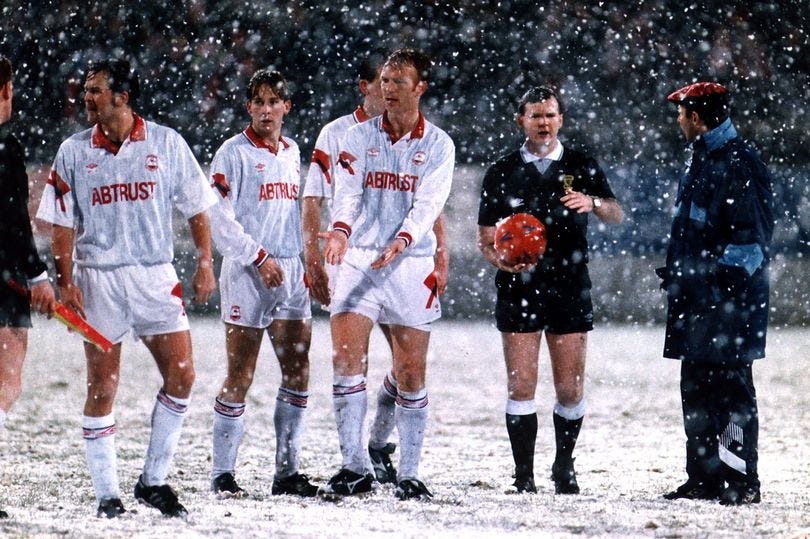
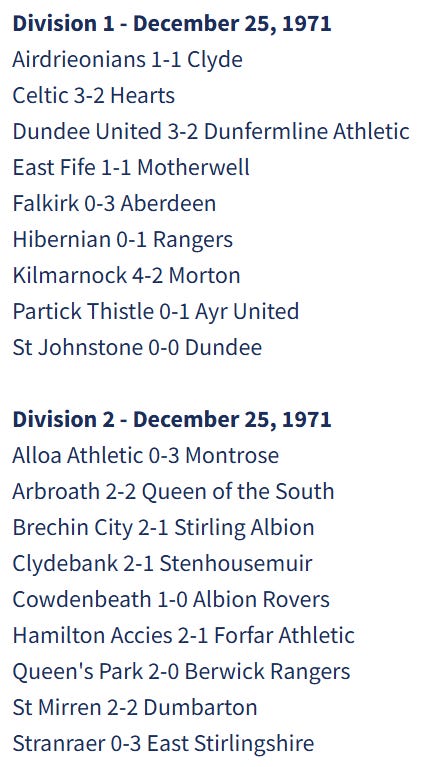
From 1950 until 1975, Christmas day fell on a Saturday four times - with matches played in Scotland on each occasion. The last full card of Christmas day fixtures came in 1971, as Glasgow triumphed against Edinburgh. Celtic won 3-2 at home to Hearts while Rangers were also victorious, 1-0 away to Hibs. Dixie Deans (Celtic) and Colin Stein (Rangers) scored the winners for their respective sides and so are the answers to the quiz question posed at the start of this article.
Five years later and 1976 was officially the end of Christmas football in Scotland. There were no top flight fixtures played, and most of the second and third tiers saw their fixtures moved too. However, two matches still went ahead and so are remembered as the final Scottish football games ever played on 25th December.
The top two in the second tier, St Mirren and Clydebank, played out a 2-2 draw in front of 7,500 fans. The legend that is Alex Ferguson was in charge of St. Mirren, and by the end of the season he’d lead them to the title and promotion back to the top flight. In the third (bottom) tier Alloa defeated Cowdenbeath 2-1 in what would be an ultimately crucial victory as they too earned promotion, but by just 1 point!
A WHITE CHRISTMAS
I would feel like I am short changing you if my Christmas article ended after just 400 words. So for a bit of fun, the next 1200 words will look at the stats around a “white Christmas” in the UK and our xS (expected chance of snow).
Since 2006, the UK Met Office define a white Christmas as one where a single snowflake is observed falling anywhere in the UK during the 24 hours of 25th December. Before 2006, it only counted if the snow was observed in London - rather than anywhere in the UK. Some bookies offer odds on snow falling in particular locations such as Buckingham Palace, Edinburgh Castle, or the Millennium Stadium in Cardiff.
Snow Way: Snow is not white. Snowflakes are totally clear ice crystals that are large enough to fall through the Earth's atmosphere as snow. They scatter and reflect all colours of light equally, rather than absorbing them, so the combined light appears white to our eyes. But scientifically, it aint white.
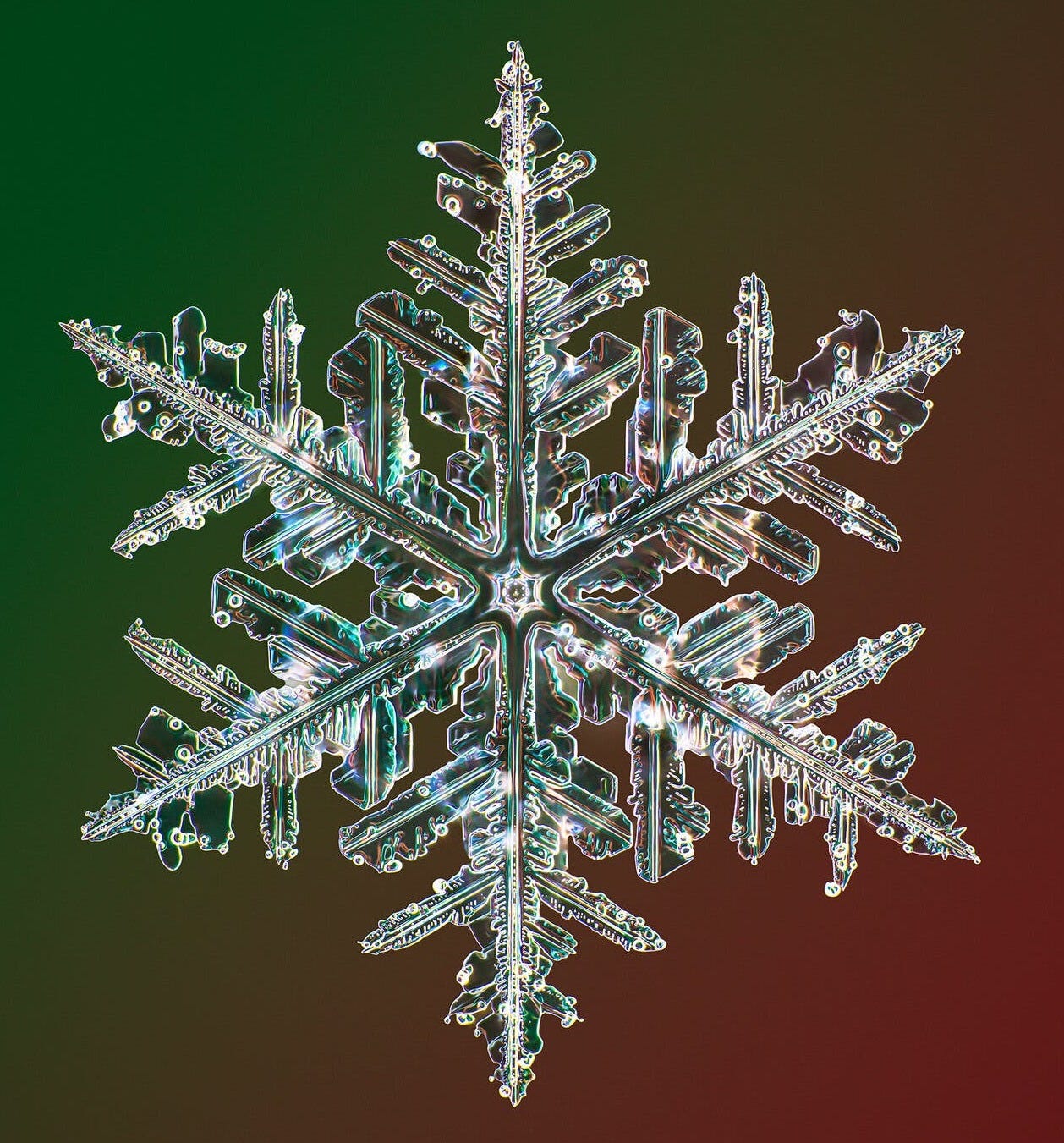
For me though, a white Christmas isn’t one verifiable observation of a snowflake falling in the 24 hours of 25th December somewhere in the UK. A white Christmas is one where I look out my bedroom window as a kid to see the beauty of an untouched blanket of white snow on the street outside. Well, clear snow that the brain perceives as white due to the reflection of all colours of the light spectrum, of course.
I feel like I haven’t seen such a snow blanket in years. My 5-year old son has never been able to build a snowman, never mind look outside to see a truly white Christmas. This is what prompted this mini piece of research, and my feeling was right.
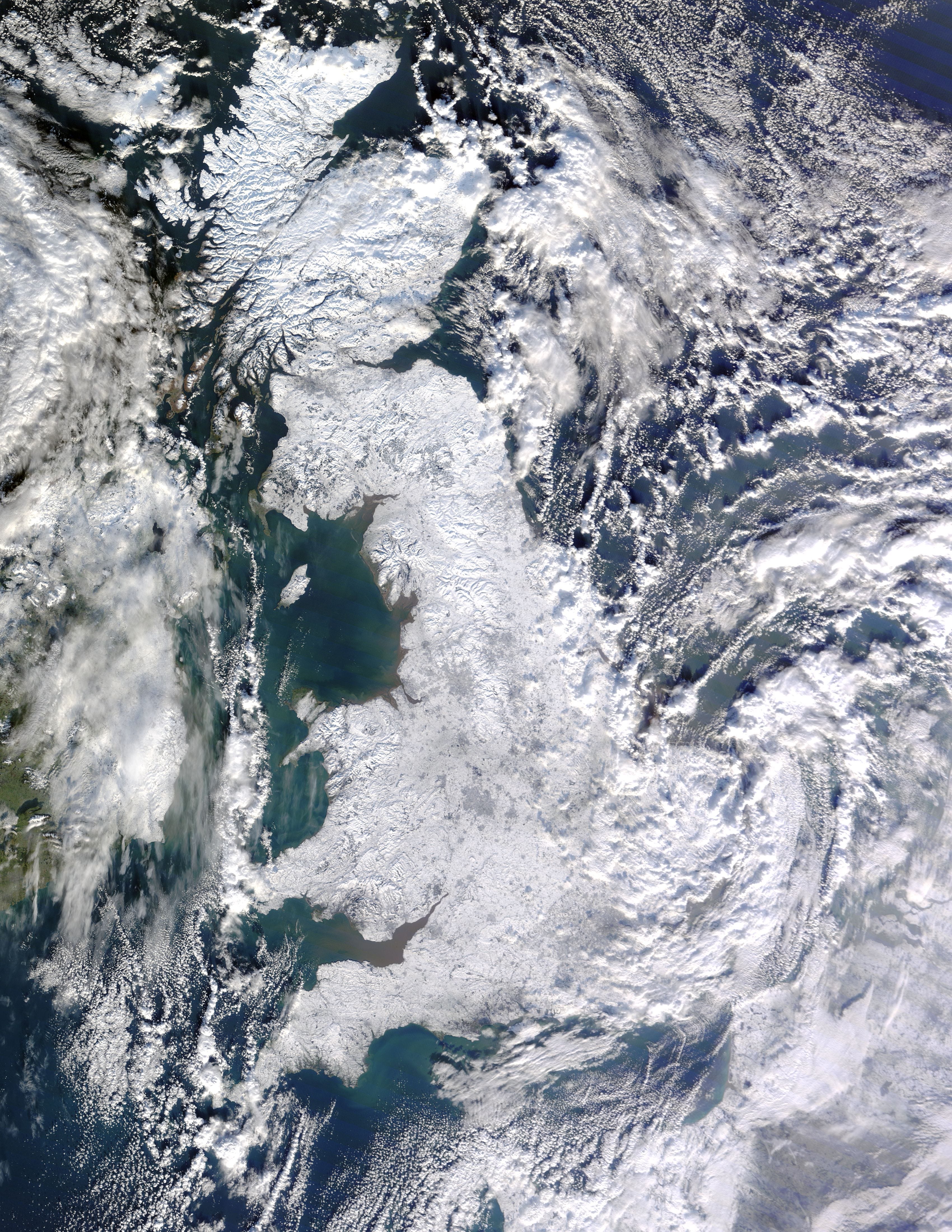
The last ‘widespread’ white Christmas in the UK was fifteen years ago!
In 2010, snow was on the ground at 83% of weather stations in the UK - the highest number ever recorded. That year was an extremely rare back-to-back occurrence of a white Christmas in the UK, as there was also a true white Christmas in most parts of the UK in 2009 - which was the first time since 2004.
So if the last truly widespread white Christmas was 2010, how often do we experience a White Christmas by the Met Office’s “single snowflake” criteria, and - using historical data - what is the expected chance of snow (xS) in 2025?
EXPECTED SNOW (xS)
My recently invented metric of xS (expected snow) is the probability of snow falling in the UK on Christmas Day. For example, an xS of 0.01 means there is just a 1% chance, while 1.0 xS would mean we are 100% certain of a white Christmas. Using historical data from the Met Office records (since 1960), we can estimate xS for the UK as a whole:
UK Wide Since 1959:
If we use the Met Office’s criteria of one single snowflake falling ANYWHERE in the UK then the probability of a UK White Christmas is actually pretty high. 54 of the past 66 Christmas Days (82%) have seen a snowflake falling anywhere in the UK.
That’s an xS of 0.82.
If we only count the years where at least 5% of weather stations in the UK report snowfall, then we’ve had 34 out of 66 years (51%) where it was a White Christmas.
That’s an xS of 0.51.
However, if we use my traditional view of what a true snow-covered white Christmas is - we need to look at the historic expected true snow (xTS) metric. We have had only FOUR occasions in the last 66 years (6%) of snow on the ground at 9am at more than 40% of UK weather stations (1981, 1995, 2009 & 2010).
That’s an xTS of just 0.06.
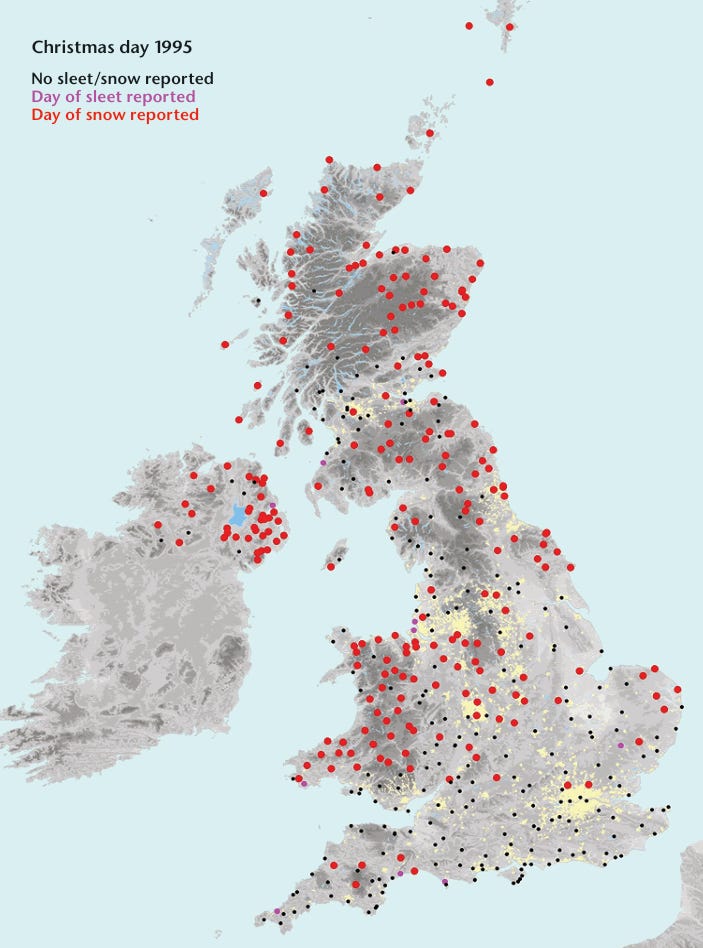
Of course, that’s just the historical probability of a White Christmas, which has been trending slightly downwards for hundreds of years (discussed next). For tomorrow, we need to ask the actual weather experts to look at the forecast and give us a more accurate xS for 2025:
Paul Gundersen, Chief Meteorologist at the Met Office: “The chance of snow on Christmas Day? There’s a small chance of light showers, which, if they occur, will be a mix of rain, sleet and some snow over higher ground. The chance is relatively low as it stands, and there are no strong signals for significant or widespread snowfall.”
WHY IS xS TRENDING DOWNWARDS?
Experiencing a white Christmas was more common from around the 1550s until the 1850s, due to two main factors. Firstly, our ancestors experienced the “little ice age”. This was not a true ice age of course, merely a “period of regional cooling”.
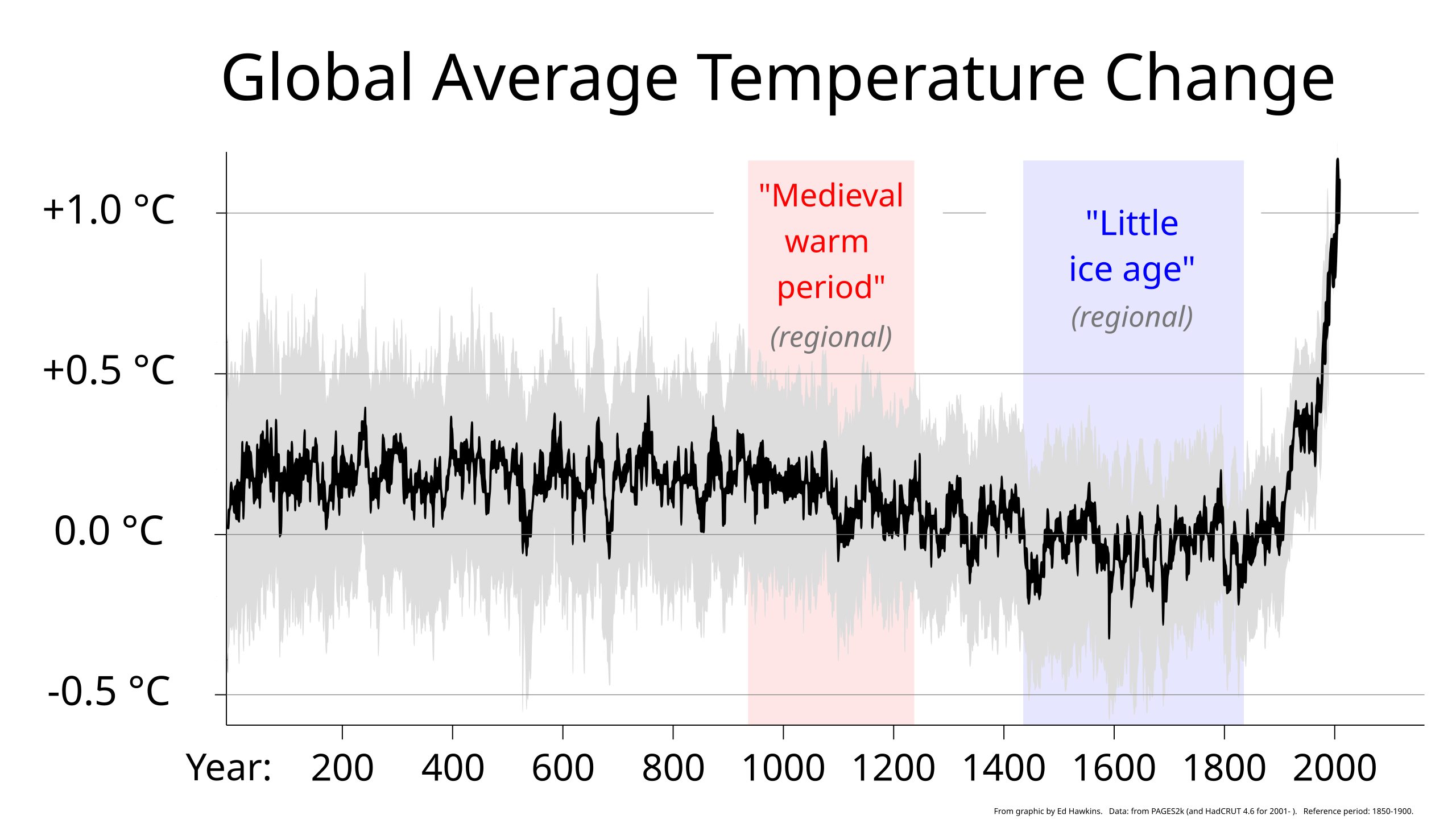
Since then, global temperatures have risen sharply. After centuries of relative cooling, the world is now around 1.1°C warmer than in the pre-industrial period.
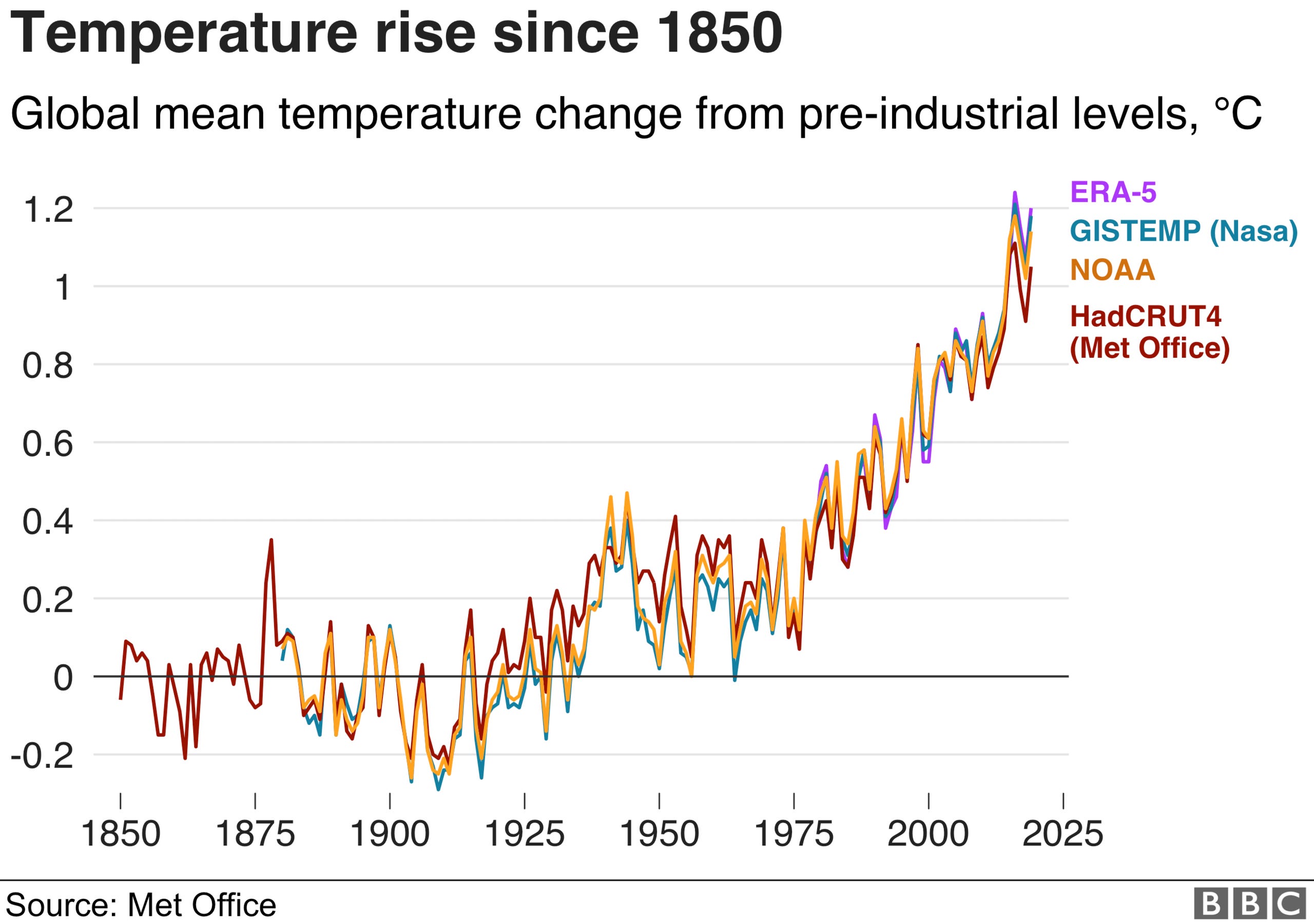
For it to snow we need cold air and rain. The air temperature doesn't actually need to be below zero for snow to fall, as anything below 4ºC can be cold enough for snow to fall. The heaviest snowfalls tend to occur between 0 and 2ºC, but as climate change has lead to global temperatures rising by over 1 degree on average; this means our chance of snow at Christmas in the UK is constantly decreasing.
The second reason for a higher chance of snow at Christmas in the 1500s and 1600s was due to the calendar change in the mid 1700s. Most places in the UK tend to see some snow in the winter, but it generally falls in January and February. In 1752 we changed from the Julian to the Gregorian calendar, which required the deletion of 11 days in September. This brought Christmas day forward by 11 days, and so the chance of snow at Christmas decreased ever so slightly as it was now earlier in Winter.
Long term averaging over the past 25 years gives us snow lying on the ground for an average of 3 days in December, 3.3 days in January, 3.4 days in February and 1.9 days in March.
xS WORLDWIDE
Canada of course has a very high xS on Christmas day - even with their higher threshold for it to count; snow of 2 cm or more must lie on the ground on Christmas morning. Various Canadian cities such as Winnipeg, Whitehorse, Iqaluit and Kenora have an xS of 1! Quebec has an xS of 0.92 in recent years, down from an xS of 1 from the years before 1985, while the average for Canada as a whole is xS 0.66, down from the pre 1985 high xS of 0.79.
Conversely, most of the Southern Hemisphere (excluding Antarctica) will almost never experience a White Christmas - given Christmas occurs in summer. The chance of a white Christmas in Australia would probably be around the same chance as seeing snow in the UK on the 25th June. It’s no surprise then that the Aussies last experienced any measurable snow on Christmas Day in Australia in 2006, and in the early 1980s before that.
Wherever you are spending Christmas, I hope you have a great time. Even though - if you are in the UK - you are unlikely to experience a true White Christmas!
Christmas Day update:
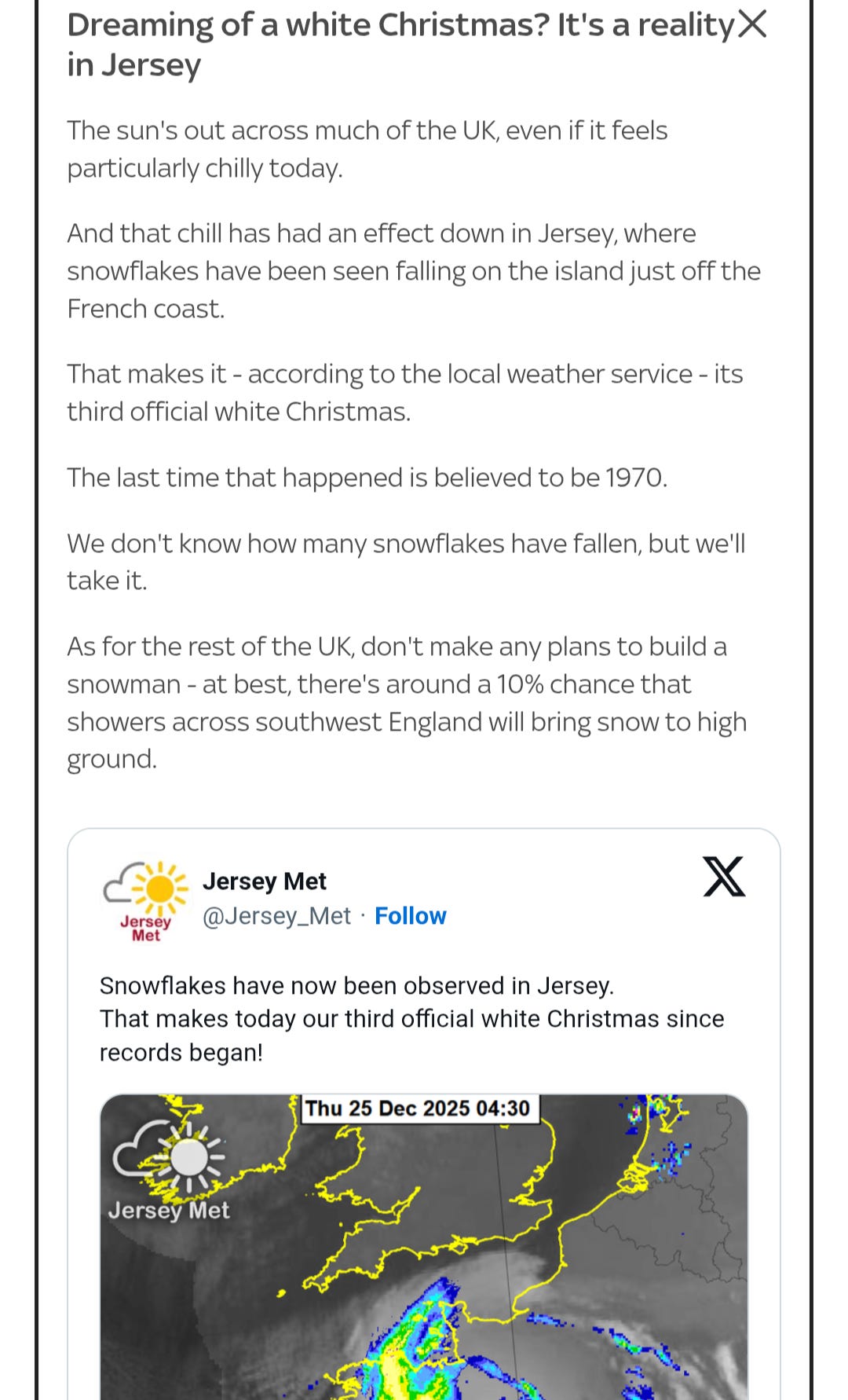
Nothing in mainland UK, but Jersey had it's first “White Christmas” since 1970, and just it's third ever on record!
Thank you for being a paid subscriber to my website in 2025. I would love for you to continue to support me into 2026 and beyond, as I continue to increase the offering to you here on ScottishFootball.info.
Gavin

And so every day is a learning day, never knew about Julian and Georgian calenders, Julian calendar introduced by Julius Caesar no less. With the Georgian calendar correcting 11mins per day drift due to leap year simplicity the Julian canader used.
Amazing.
Merry Christmas Gav and all
I was at the Kilmarnock v Morton match on Xmas Day 1971 (still got the programme, can't post here but if I remember I'll put it on BlueSky tomorrow). No idea how I got there as I lived in one of the outlying villages some four miles from Rugby Park. Maybe I walked or maybe I cadged a lift there and back from an adult (I was 15).
I wrote a piece on Xmas Day football in Scotland many years ago for a website I ran. A few years later someone told me the Guardian had lifted it and ran with it every Xmas. To say I was slightly miffed would be an understatement though eventually they coughed up with a payment and acknowledgement.
On the odds of snow in March there have of course been plenty of occasions when snow has affected the fixture card (1947 was probably the worst and it was fairly common in April too in the 19th century) and others when it should have. The 2007 League Cup Final was played in a snowstorm and should have been called off. Though I probably feel that way on account of the result (google, kids) rather than the snow.
Further afield there was some surprising snow in mid-March in Barcelona where I was living at the time in 2010. The first for 25 years. it snowed the same day in Seville for the first time since 1955 - fifty-five years previously