


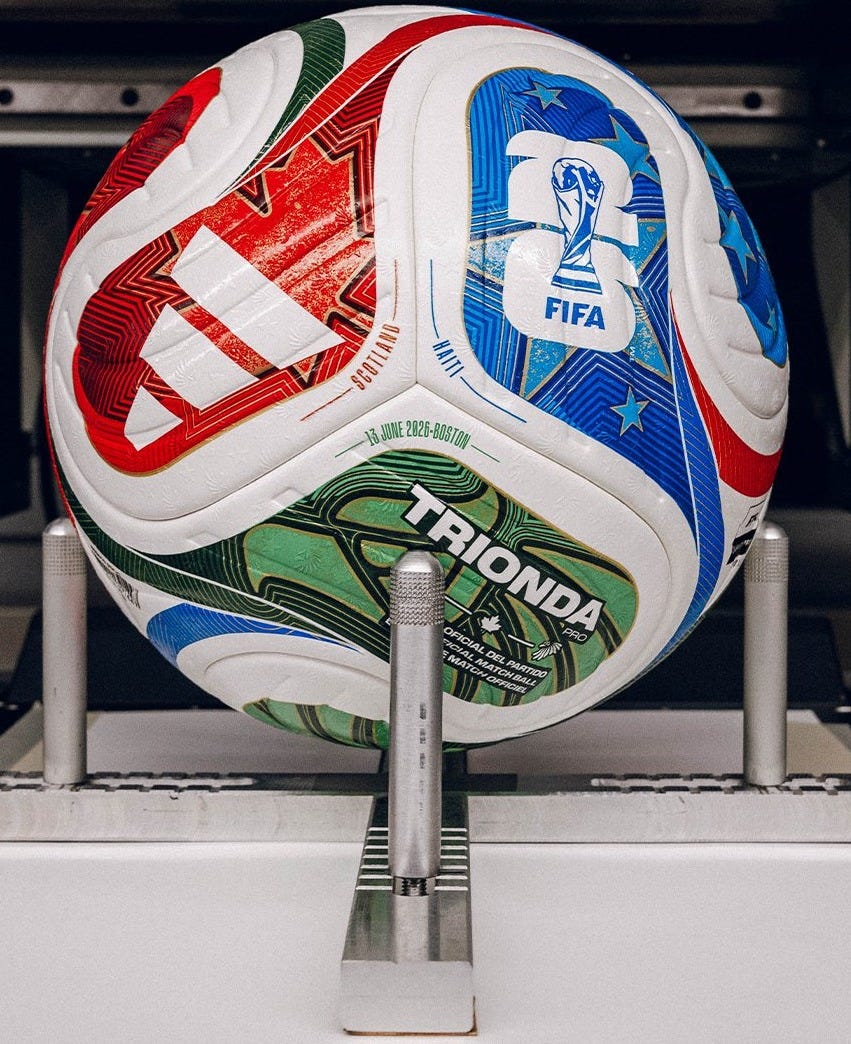
On Sunday morning, Scotland played their first World Cup game in 28 years. They recorded their first World Cup victory in 36 years, their first clean sheet in 40 years, their first win to nil in 52 years, and now sit top of a World Cup group for just the third time in history.
John McGinn scored the only goal, taking his Scotland tally to 21 goals, all of which have come since Steve Clarke took over in 2019. Excluding the ‘selection committee’ - which was how the national team was picked before the appointment of our first manager Andy Beattie in 1954, no player in the history of the Scotland men’s national team has scored more goals for a single manager than McGinn has for Clarke. He’s tied with Denis Law who scored 21 of his 30 goals under manager Ian McColl.
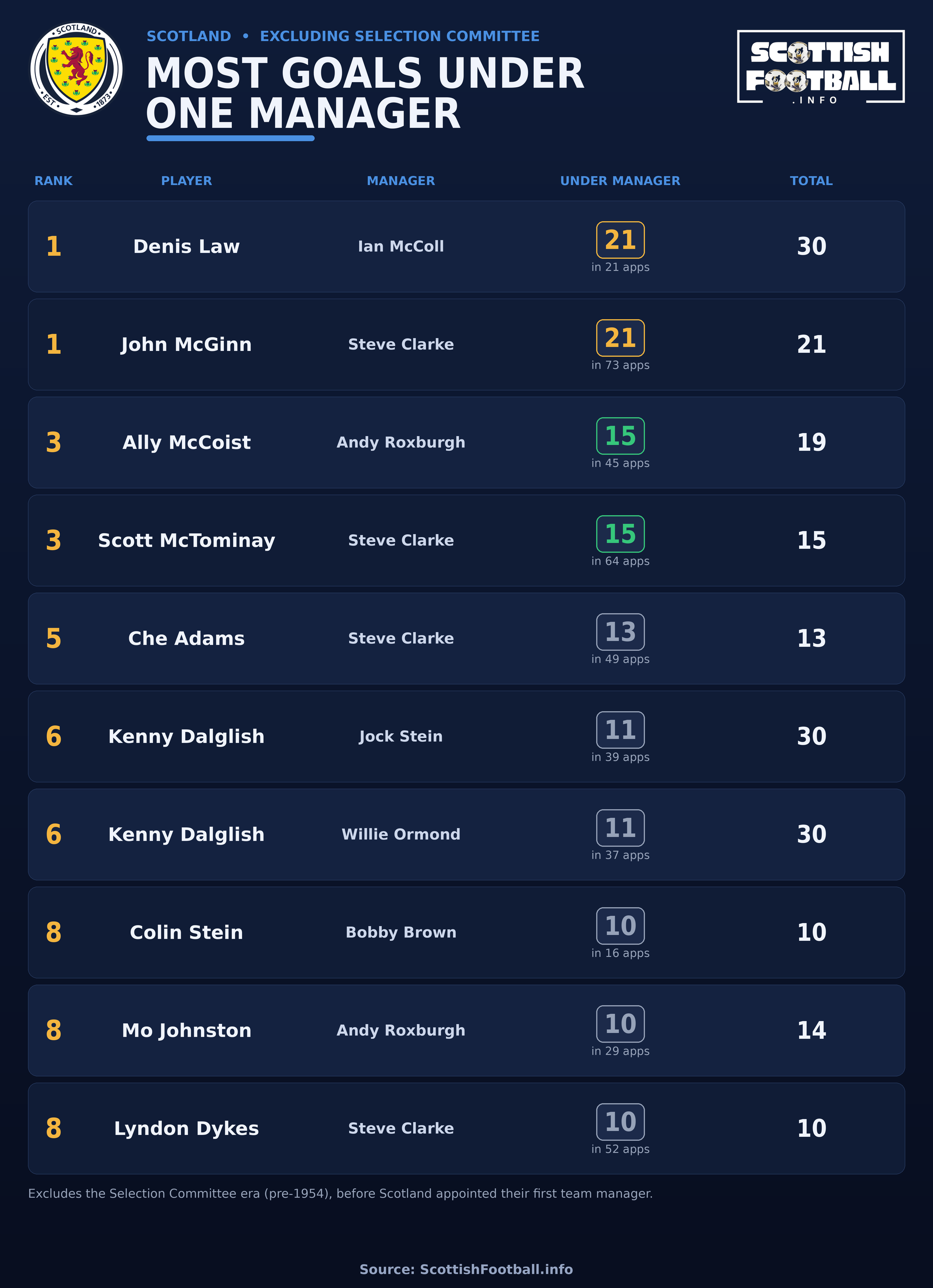
Given the longevity of Scotland’s longest-serving manager, several of Clarke’s regulars feature in the top 10 of such a ranking, with McTominay third, Adams fifth and Lyndon Dykes completing the top ten.
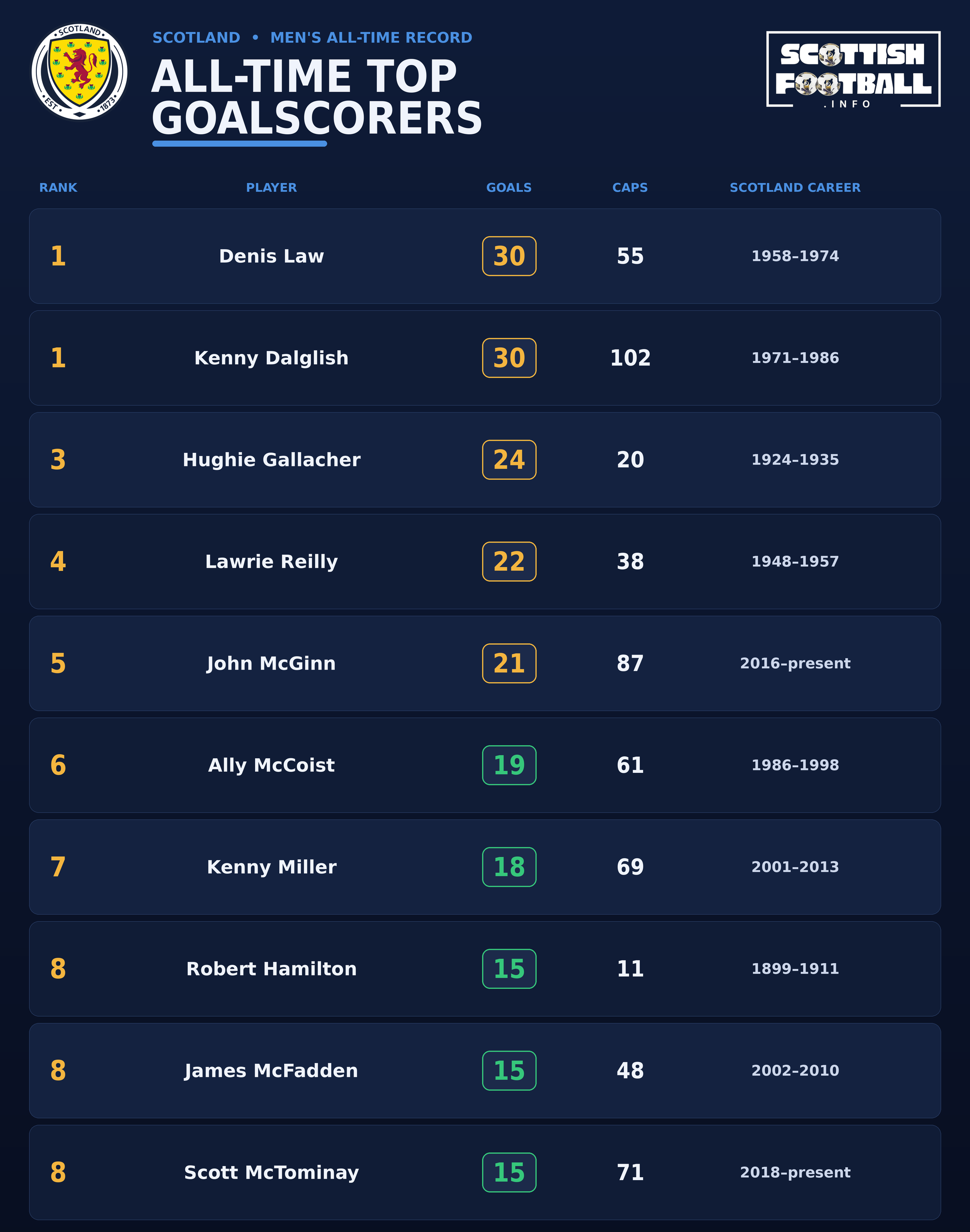
John McGinn is Scotland’s fifth top goalscorer ever and his winner moved him one closer to Lawrie Reilly in the actual all-time goalscorers chart. McGinn is now four goals short of claiming the outright third top goalscorer in Scotland’s history, a mark he will hope to reach in the next few years. Scott McTominay has also moved into the all-time top ten after scoring his 15th goal for Scotland in the warm-up friendly against Bolivia last week. McSauce needs three goals to catch Kenny Miller and four would draw him level with Ally McCoist - which would be a phenomenal achievement for a man who is not a striker and who played centre back for many of his early caps with the national team.
A missed opportunity?
Leaving Foxborough with three points was obviously the most important aspect of matchday 1, however there is a fair argument that it was also a missed opportunity. Given the eight best third-placed teams will be decided on goal difference, beating the pot 4 side by just a solitary goal leaves us vulnerable.
It means that if we lose both remaining games then the best case scenario becomes three points and a goal difference of -1. If either, or both, of the top-10 ranked sides in our group put more than one past us then we are in danger of going out on goal difference for the fourth time in nine World Cups.
Only four of the 12 third-placed teams will be eliminated, and so the target is to be in the top 66% of third-placed teams. Since France ‘98, when a 32 team format was introduced, there have been eight groups at each World Cup. A rough equivalent would be finishing as the fifth-best third-placed team across the eight groups at each tournament.
The comparison is flawed of course, as this was when there were only eight groups - but also none of the third-placed teams progressed. There would have been some meaningless games at the end of the group stages where the teams playing knew they couldn’t catch the top two and so their record in third place was irrelevant.
