Successful Alcohol Trials Set for Expansion
Incident-free pilots have strengthened the case for extending alcohol sales at Scottish football matches

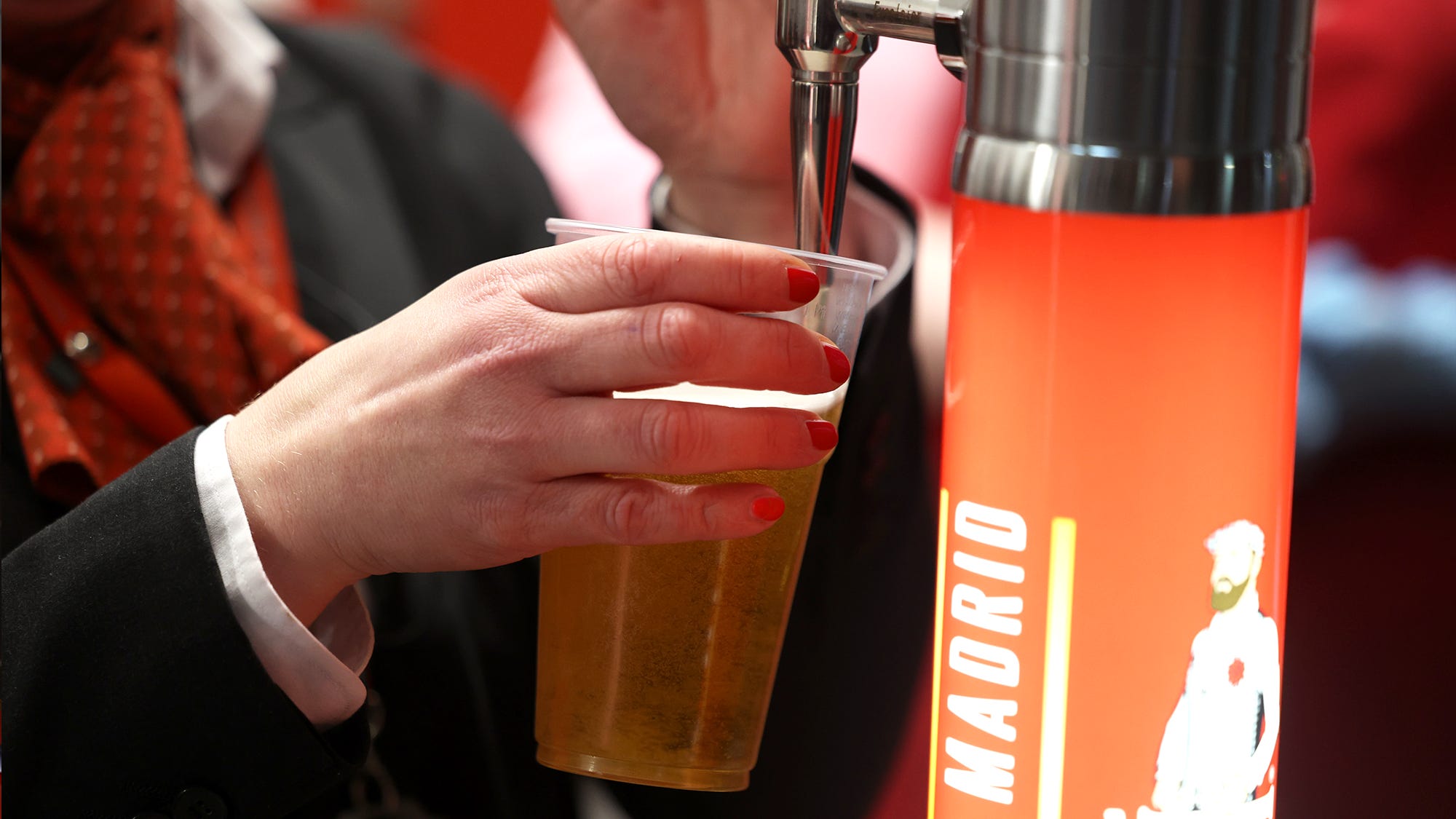
Scottish football’s controlled alcohol experiment will expand in 2026/27 after 20 SPFL trial matches and two Scotland friendlies passed without a single alcohol-related disorder incident being reported to police.
Ten clubs took part during 2025/26: Aberdeen, Motherwell, St Mirren, St Johnstone, Dunfermline Athletic, Kilmarnock, Partick Thistle, Stirling Albion, Arbroath and Queen of the South.
The programme began with lower-risk Premier Sports Cup group matches last July. It then moved into selected Premiership and Championship fixtures during the winter, with alcohol sold in restricted concourses, fan zones and specific stands under temporary licences.
Attendances at the 20 SPFL matches totalled 96,938. Adding Scotland’s friendlies against Japan and Curaçao at Hampden brought the combined gate to 186,015. However, that figure of nearly 200,000 is not the total number of fans that had access to alcohol, as this was restricted to designated areas.
At Hampden, where the two crowds totalled 89,077, the licensing application covered a pop-up bar with a capacity of only 225. One section operated for the Japan match and two for the Curaçao game. Access was confined to supporters seated beside the “level-five bronze concourses”, with sales ending 30 minutes before kick-off.
Therefore most people inside Hampden at these matches had no access to alcohol and so logically the next step of the trials involves expanding them to cover higher numbers of fans.
The same distinction in total attendance Vs access to alcohol applies to the SPFL attendance total, too. Sales varied between restricted concourses, fan zones and selected stands - although a complete breakdown of how many supporters could buy alcohol at each ground was not released.
Even with that limitation, the absence of any reported alcohol-related disorder across the programme gives clubs their strongest evidence in decades for a controlled relaxation of the restrictions introduced in 1981.
Why The Desire to Sell Alcohol?
It goes without saying that Scotland’s relationship with alcohol requires any change to be approached carefully. There were 1,185 alcohol-specific deaths registered in 2024, with the mortality rate in the most deprived areas of Scotland 4.5 times that of the least deprived.
Public Health Scotland also recorded 29,430 hospital admissions for conditions wholly attributable to alcohol in 2024/25. The Scottish Health Survey found that 20% of adults drank at hazardous or harmful levels in 2024.
Although those figures justify firm safeguards around any expansion of alcohol sales at football, it is clear that the outright ban, brought in over 40 years ago, on alcohol sales at football grounds should be reviewed.
Perhaps the key point in the debate is that the negative effect that alcohol can have on Scottish society does not prohibit the sale of alcohol at other sports across our country.
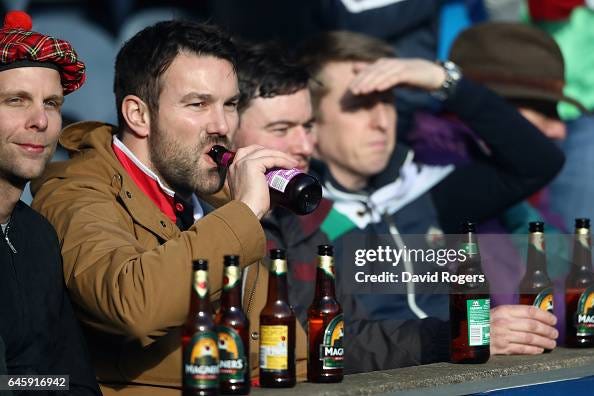
The pilot schemes provide evidence of how sales can operate within a controlled environment. Alcohol was restricted to selected concourses, fan zones and stands, generally at lower-risk fixtures and under conditions agreed with local licensing boards. Staff could apply age checks, refuse service and stop sales at a specified time.
Data obtained this week by The Herald showed that no disorder connected to alcohol sales was reported to police across last season’s trials. It is an encouraging result, although the wider public-health concerns of course remain relevant.
Matchday drinking already takes several forms for football fans. Scottish Government roundtable minutes acknowledged that alcohol is available in hospitality areas and that many supporters travel directly to grounds from nearby pubs and bars.
Anecdotally, many readers will know that bottles and hip-flasks are often sneaked into stadiums, although there is obviously no official figures to show how often this happens. Police Scotland have released images of their findings after matches in recent years to demonstrate its prevalence.
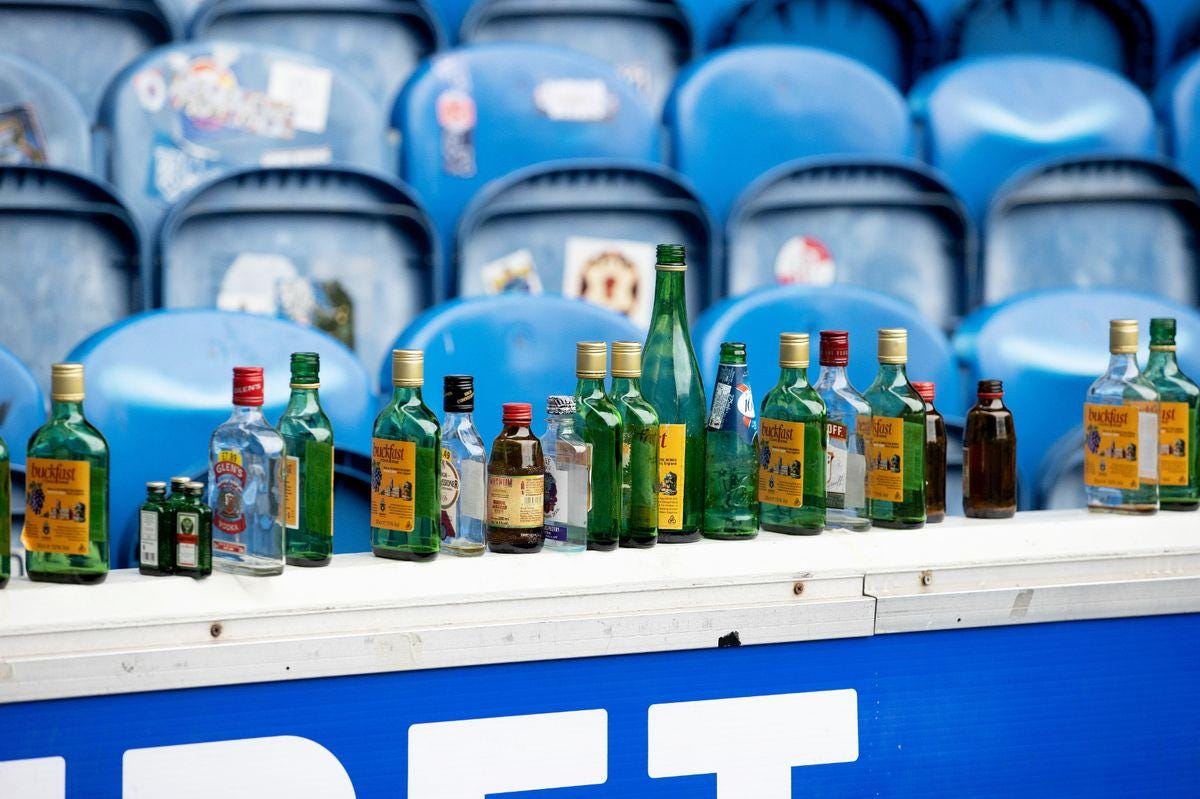
It cannot be said definitively whether a relaxing of the ban would change this behaviour. However it would undoubtedly provide an option to the fans that want to drink during a game. Instead of choosing to illegally bring alcohol into the ground, some may decide they’d rather buy and consume alcohol legally inside the stadium.
Licensed sales area gives clubs control over age, serving times, drink strength, quantity and refusal of service. It may also encourage supporters to arrive earlier rather than fitting in as much drinking as is humanly possible before leaving the pub just in time to make kick-off. There is an obvious positive knock-on effect for the clubs, were that to be the case. More fans in the ground earlier would likely result in more money through the tills for the clubs through catering sales.
This is the biggest and most obvious incentive for the clubs, the clear commercial incentive. Stand by for back of a fag packet calculations here, but if we give a rough assumption that 25% of the crowd would buy one £5 alcoholic or alcohol-free pint at each home match, Aberdeen could generate around £439,000 in additional annual sales based on 20 home games over the course of a season. That figure would equal approximately 2% of the club’s latest turnover.
If we do the same for other clubs, Motherwell’s equivalent estimate is just over £200,000, or 2.9% of their revenue. Celtic’s larger support produces potential sales of almost £1.5 million with these example figures, although that represents only 1% of the club’s most recent Champions League bloated turnover.
The lower down the leagues we go, the lower the numbers we are dealing with, due to the smaller average crowds. However when margins are so tight in Scottish football, any additional revenue worth tens of thousands of pounds per year would be greatly appreciated by numerous clubs further down the pyramid.
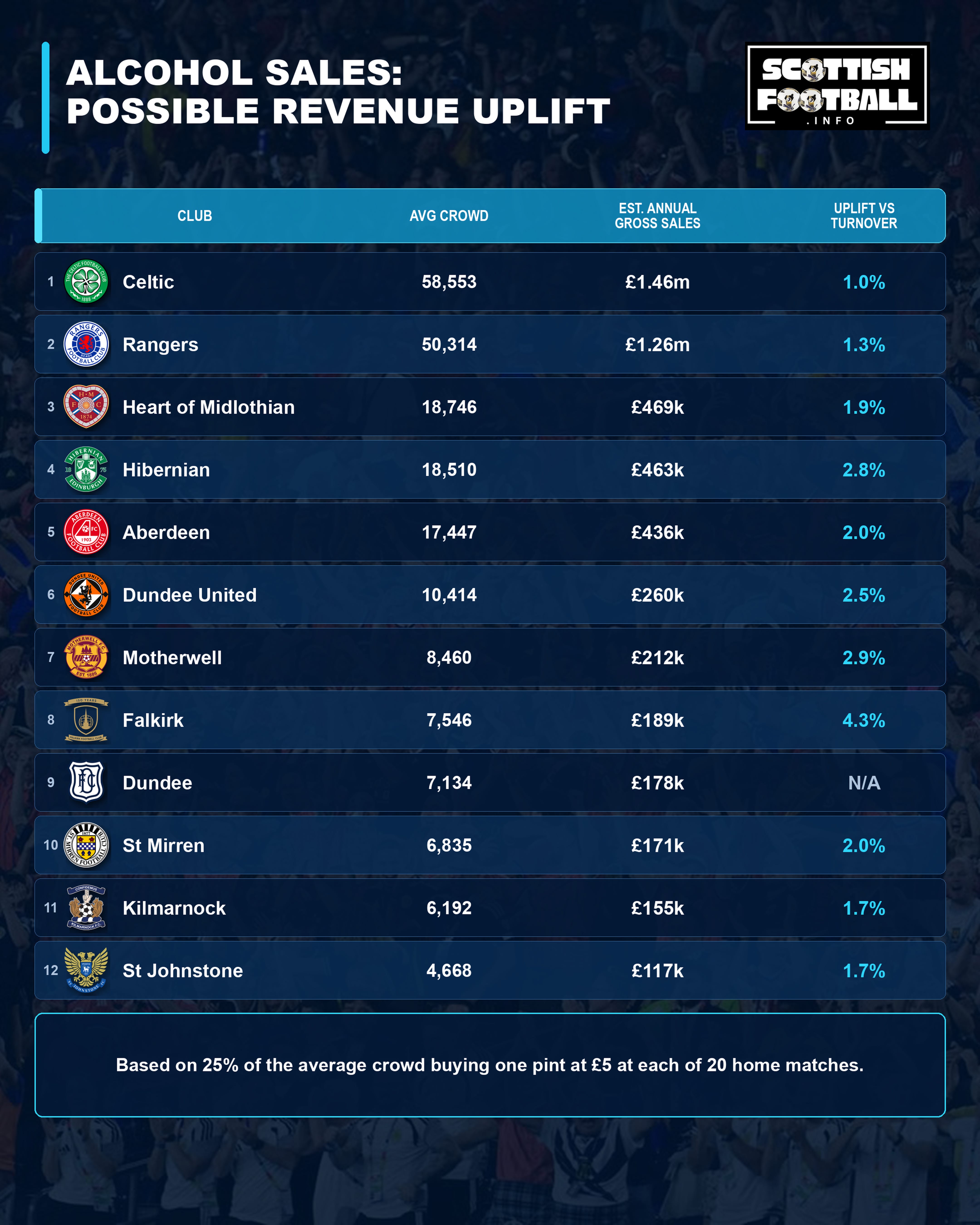
These figures are all rough estimates with no data to backup expected sales. The potential sales figures I’ve given are all gross figures and actual profit would be lower after VAT, and any additional costs incurred such as licensing, wastage and any extra staffing or security.
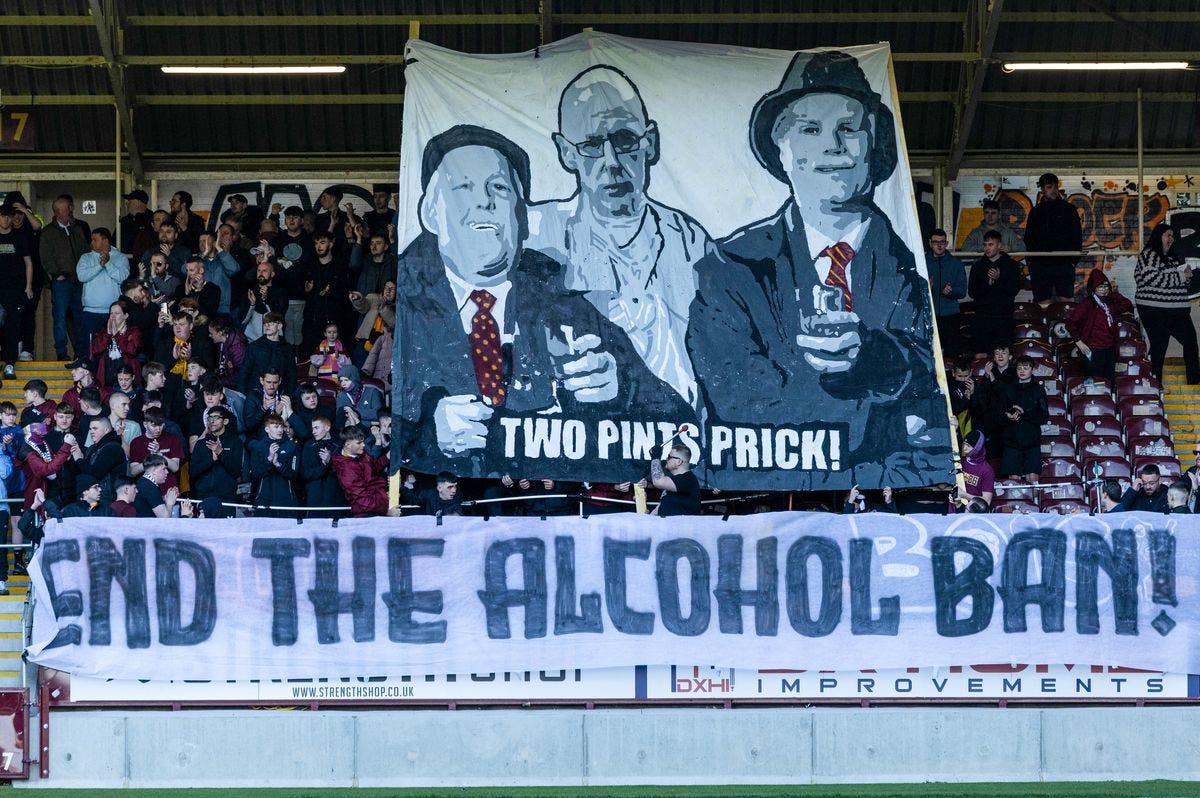
Lastly, and most importantly, many match-going fans have expressed a desire to decide for themselves, of their own free will, whether to buy a pint at the game. Feedback has shown that many fans believe that it would improve the match-going experience and have lamented the fact that the Scottish government has continued with an outright ban originating from the early 80s.
SPFL Doing Their Bit
The policy of allowing these alcohol trials has developed alongside demands from external authorities for stronger action against pyrotechnics, pitch incursions and other supporter misconduct.
An internal Scottish Government briefing credited the SPFL with working alongside ministers, Police Scotland and football safety officers to address disorder. It highlighted ticket reductions imposed on clubs, the league’s support for a review of Football Banning Orders and increased club involvement.
The SPFL’s approach was described as providing “both carrot and stick”, with controlled alcohol sales forming the positive side of a wider attempt to improve the matchday experience.
While the arrangement has never been announced as a formal quid pro quo, we can infer from all public discourse on the matter that greater freedom for responsible supporters - i.e. alcohol sales in stadia - will advance alongside firmer sanctions for clubs whose fans engage in dangerous conduct such as flare usage and pitch invasions.
That connection can be made if we look at the Scottish Government’s football roundtable in December 2024, when Pyrotechnics and alcohol sales were discussed consecutively. The SPFL warned that pyro use was worsening, backed stronger links between offences and banning orders, and outlined educational work with the SPFL Trust. It then proposed using Police Scotland’s existing classification of lower-risk matches to identify fixtures suitable for alcohol sales.
The league has since imposed fines, ticket reductions and suspended stand closures for pyrotechnics and pitch incursions. The most recent sanctions announced in June covered Inverness Caledonian Thistle, Hamilton Academical, Motherwell, Celtic and Stenhousemuir. Earlier cases had already led to reduced allocations for several clubs.
However, the independent review into the disorder at the Rangers Vs Celtic Scottish Cup quarter-final concluded that sanctions across the Scottish FA and SPFL were too modest, too often suspended and too inconsistently applied to provide an effective deterrent. It highlighted Greenock Morton’s suspended 50% closure issued by the SFA - in a stadium with an average crowd of less than 25% of capacity.
The Next Steps
As a result of the successful trials, the programme takes another step this season at several clubs. Aberdeen have secured a permanent licence for the lower concourse of the Richard Donald Stand. Sales will be permitted until 30 minutes before kick-off at lower-risk matches, beginning with today’s Premiership opener against Hearts. Drinks must remain in monitored areas out of sight of the pitch, which is the same rules enforced in England where alcohol sales are permitted.
Alan Burrows, Aberdeen FC chief executive: “We are pleased to have secured a permanent alcohol licence for matchdays at Pittodrie.
Supporter feedback has consistently highlighted the value of providing a more modern and flexible stadium experience. We have worked closely with the relevant authorities to ensure the necessary safeguards and operating procedures are in place.
The Club is grateful for the positive feedback from supporters about how previous alcohol licence trials had improved the matchday experience and we look forward to introducing this enhancement.”
Dundee will apply for licences on a match-by-match basis after controlled sales during this summer’s Premier Sports Cup group stage. If approved, supporters in the Bobby Cox and Bob Shankly stands will be able to buy alcohol before selected lower-risk games.
St Johnstone have received permission for sales around Sunday’s Premiership match against Kilmarnock. Alcohol will be available behind the East Stand before kick-off and at half-time. The club intends to pursue further applications individually throughout the season.
Other Premiership clubs are expected to come forward, although their plans have yet to be confirmed. The general restrictions remain in place, with licensing boards and Police Scotland assessing every application. Expansion will continue through low-risk fixtures, tightly controlled areas and local licensing conditions.
Last season produced encouraging evidence within those limits. The new season sees this continued and built upon, as we hopefully move one step closer to a total lifting of the ban. Widespread disorder and fan misbehaviour will only set this back, and we can expect to see the implementation of tougher sanctions for this - especially after the recommendations of the independent enquiry.
Thanks very much for paying me for the time and effort that goes into this website. It’s greatly appreciated!