

Hibernian F.C annual report - year ending June 2025
Another year of losses, but room for optimism after record revenue and slight decrease in wages

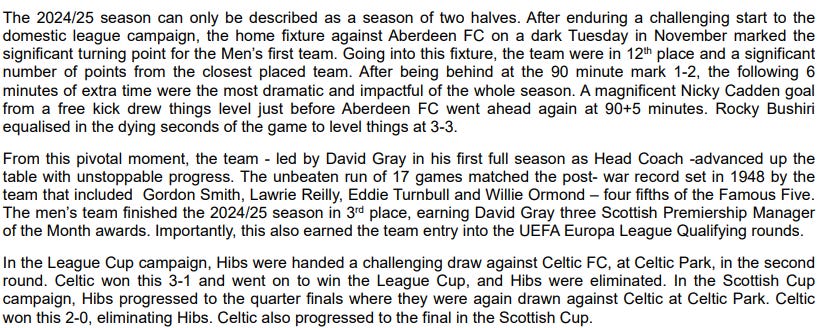
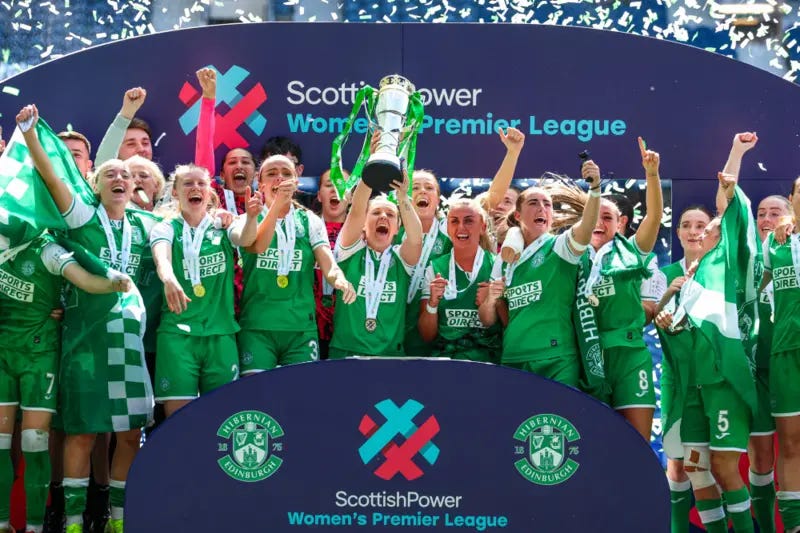
Hibernian’s accounts for 2024/25 have been released, covering a year where David Gray’s men pulled off a historic turnaround, rising from bottom of the league in November to ultimately finishing third at a canter come May. It’s the second time Hibs have finished third in the last five seasons, but remarkably only their fourth time finishing in the top three of the top flight since the creation of the SPL in 1998.
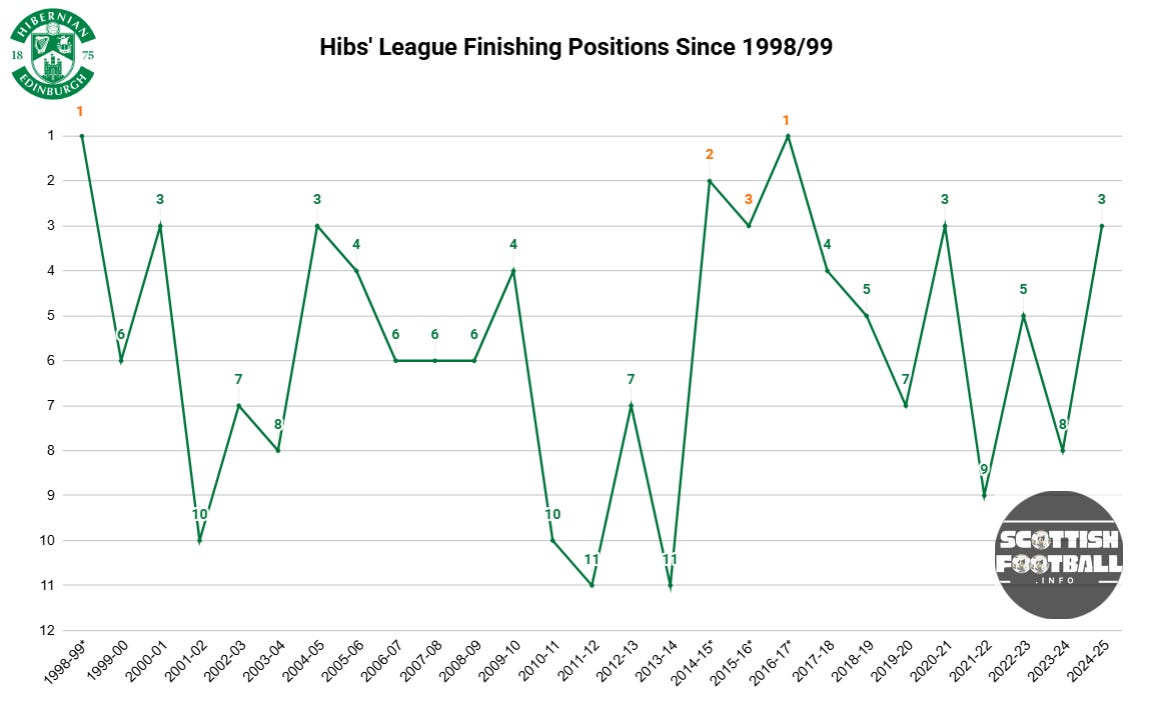
In my analysis of Hibs’ annual report this time last year, which covered the previous season in which they finished 8th, I described a club with their highest ever revenue (£15.87m) but also their highest ever wagebill (£12.7m) and highest ever operating loss (£9.2m). Then Chief Executive Ben Kensell had previously predicted that those results would be “healthy”. He left the club three weeks before they were released.
The Nutmeg World Cup special offers an unparalleled 196-page blend of quality writing, fine design and wonderful photography. Offering nostalgic tales from new angles and unique insight on modern times it is the perfect escape from the everyday before the tournament gives us many more.
Click here to guarantee your copy.
In last year’s analysis I anticipated that the next set of Hibs accounts for season 2024/25 (released on Tuesday this week) would also be a season in which financial losses were endured. The wage bill last season was too high relative to the revenue - and Hibs had not qualified for any European football. Even playing in two or three qualifying rounds before elimination adds another £1m to the revenue column, such is the size of the UEFA money pot.
This year, the prediction has borne true, with Hibs again making a heavy loss - although this has reduced from the previous year. Despite the losses, there are still many positives for Hibs fans to take and this analysis will now examine the accounts in detail, covering the good and the bad, including:
Revenue: SPFL, cups, UEFA & the fans
Expenses: consistently rising, but wages curbed
Player Trading: Sales were declining - up until January 2026!
Losses: heavy but reducing; and covered by the Gordons
Future Outlook: Bowie sale, hunt for Europe, stadium investment
If you are not yet a member here, please consider taking out a 7-day free trial to read this and 300+ other articles and videos before deciding if you think £25 per year is fair value for money.
REVENUE
Hibs have posted record revenues for the fourth straight year now - a welcome trend in Scottish football that several clubs are achieving. The turnover of £16.8m was a 6% increase from the £15.9m recorded the year before.
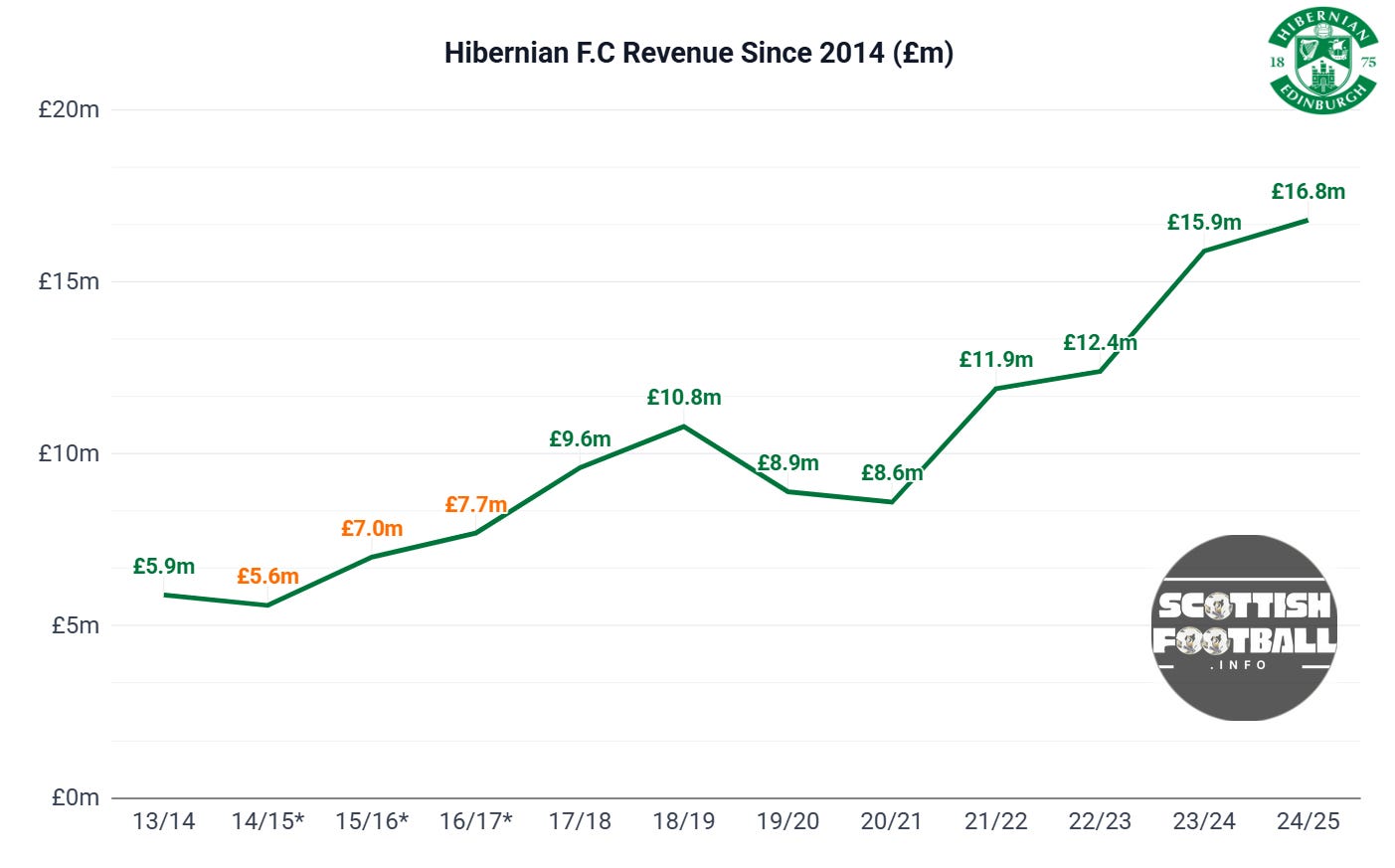
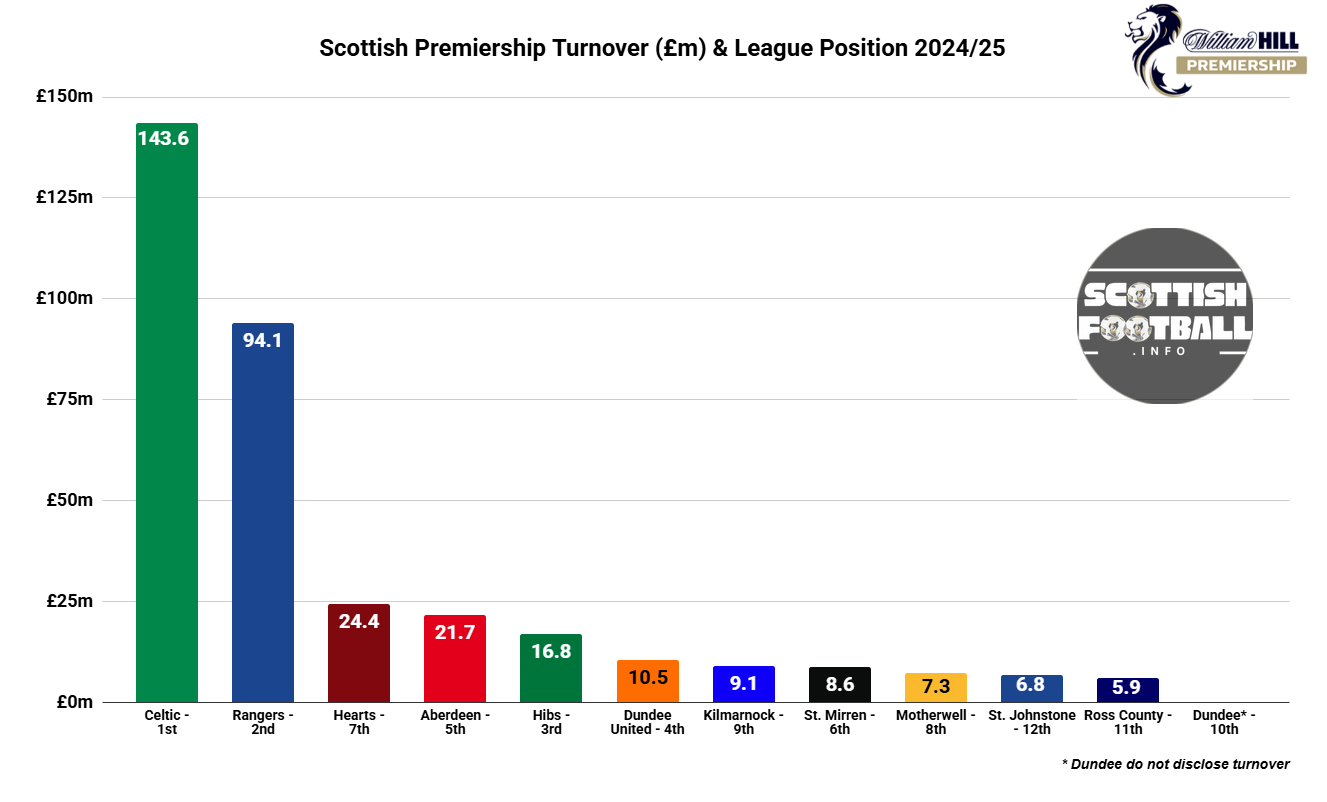
While Hibs have consistently grown their revenue since the covid-19 pandemic, they are yet to break through the £20m barrier - something which both Hearts and Aberdeen have done in recent seasons. Hibs will rightly point out that those two clubs have shared the guaranteed European group stage football prize over the past four years, which massively grows turnover.
However Aberdeen still reached £21.7m in turnover last year - even without any European football. It’s worth pointing out too that Hibs have only now recorded turnover of £15m+ within the last two seasons, something Aberdeen achieved over 10 years ago in 2015, and so the Hibees have been playing catch up for several years, partly due to the years spent in the Championship. Still, a turnover of £20m should be an achievable target for Hibs in the next 3-5 years; with the SPFL’s renegotiation of the TV deal in 2029 likely to be key.
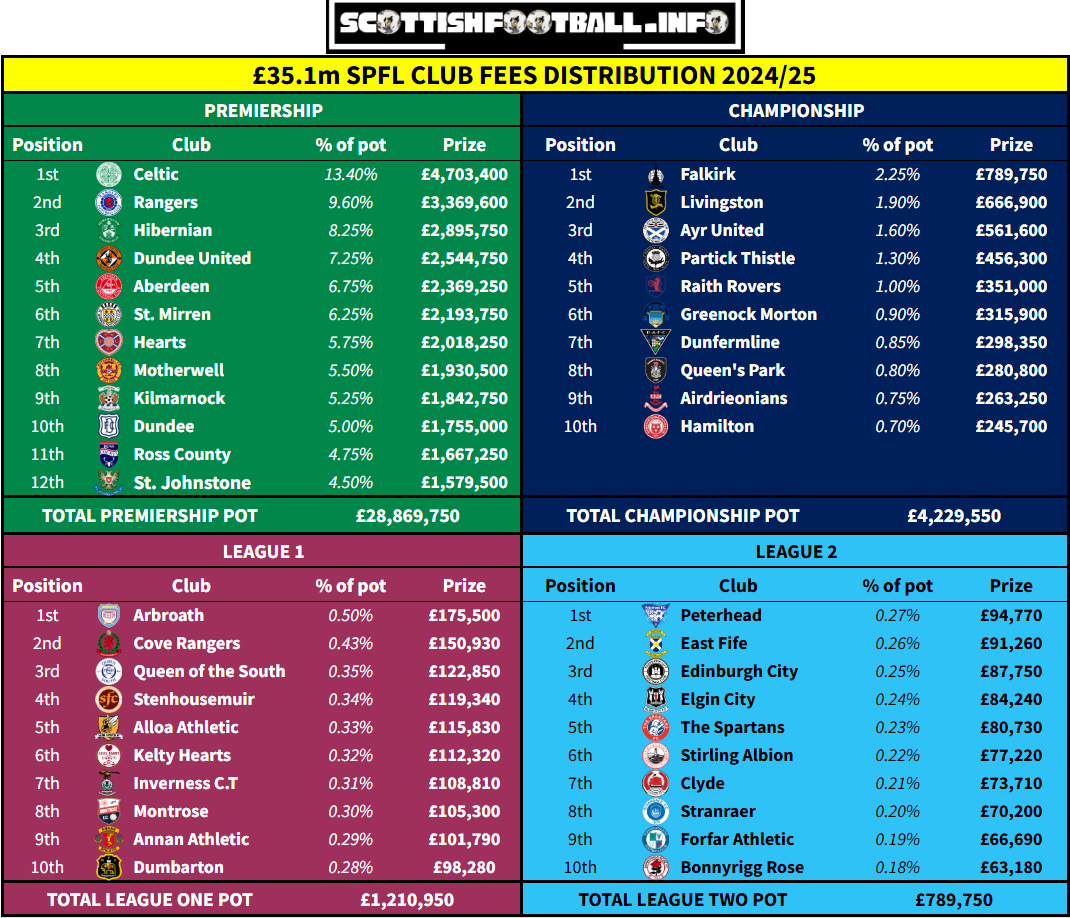
SPFL prize money increases by league position and so Hibs’ revenue growth was boosted by a third place finish, a massive improvement on the previous season’s eighth place. The SPFL have continued to grow the overall pot year-on-year and so Hibs’ 3rd place finish was worth £2.89m - a full £1m more than the £1.85m they received for finishing 8th in 2023/24
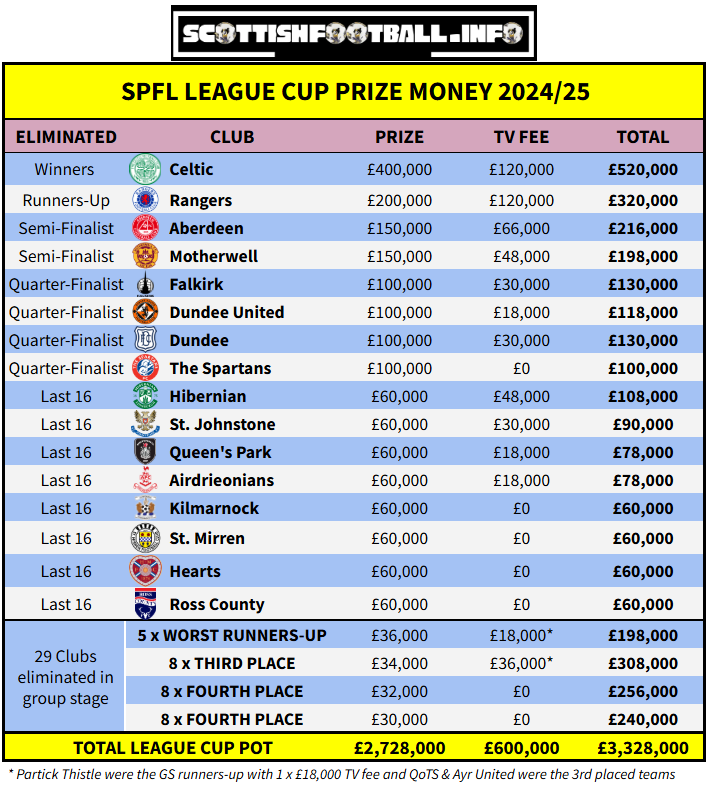
Similarly, Hibs were drawn to face Celtic at Parkhead in both cups. Such a draw is a double edged sword as it provides a significant financial boost, but an obvious sporting disadvantage - Hibs lost both games by 2 goals. However due to the revenue sharing agreements for cup matches, these two ties will have increased Hibs’ revenue by over £500,000 - double the combined prizemoney Hibs received from both cups! Including fees for having their matches televised, Hibs earned £108,000 for elimination in the last 16 of the Scottish League Cup and £158,000 for losing in the Quarters of the Scottish Cup.
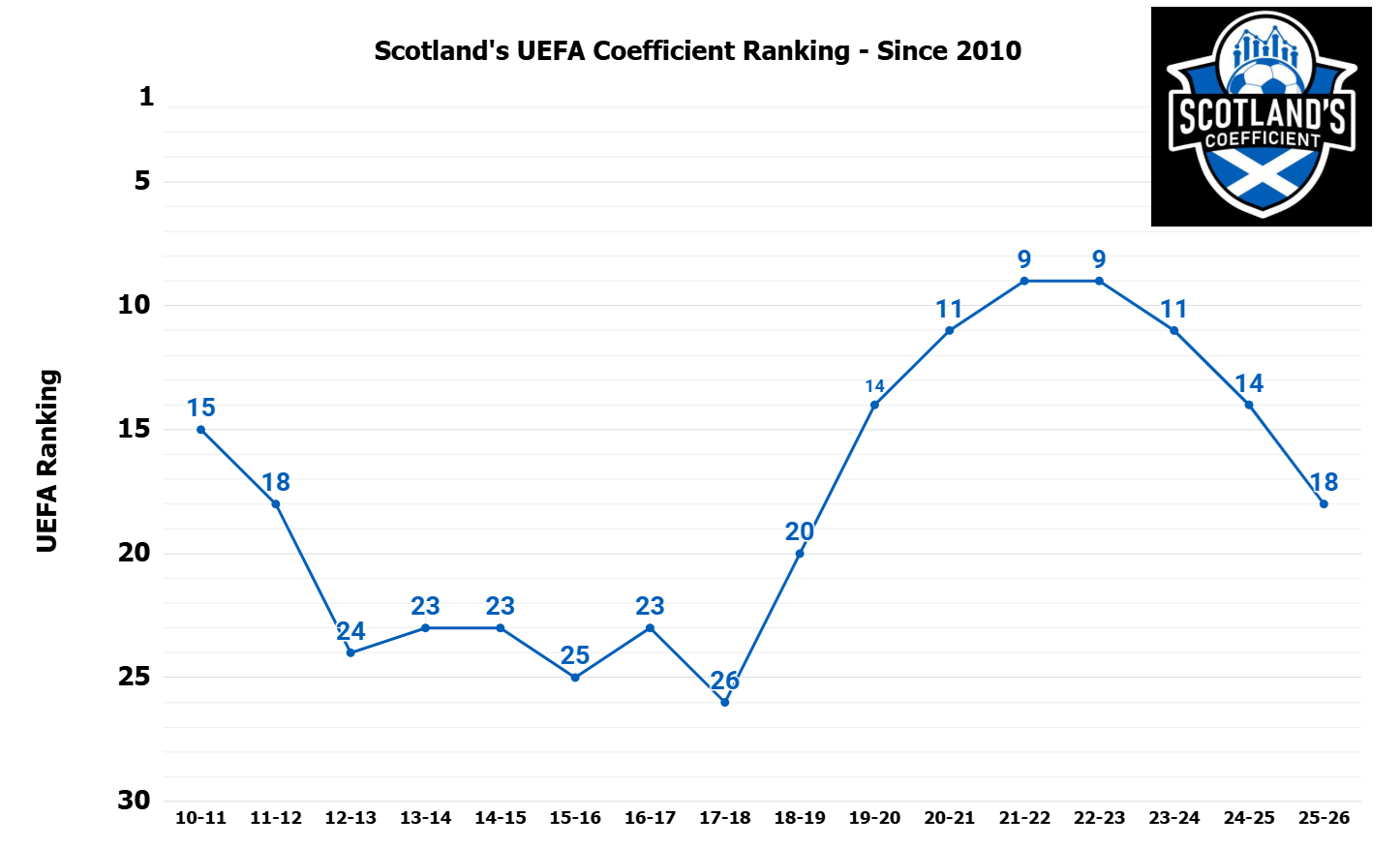
Last year I told of record solidarity payments to be paid to Scottish clubs by UEFA as part of their reformatting of European competition. This will have boosted Hibs’ revenue significantly in the absence of European football, however that ~£1m solidarity figure will be reduced in Hibs’ next set of accounts in a years time. Solidarity payments rise with a nation’s coefficient ranking and increase further if one of its clubs reaches the Champions League phase. Unfortunately though, Scotland’s coefficient has fallen and both Rangers and Celtic were eliminated in Champions league qualifiers this season, meaning payments will be reduced this season by around a third.
Around £5m of Hibernian’s income can therefore be traced to Hibs’ performance on the field and the prizemoney described above. However with total income of more than treble that figure at nearly £17m, the importance of the loyal fans cannot be understated as the single most important revenue stream to the club; regardless of on field performance.
THE FANS
More than a third of Hibs’ revenue will come directly from their fans, through tickets, hospitality and shirt sales. The recent UEFA landscape report showed that the Scottish Premiership’s percentage of income that comes from ticket money (36%) is by far the highest in Europe, considerably more than the likes of England (14%), Germany (14%), Portugal (13%) and Denmark (11%).
Such was the feel-good factor around Easter Road in the current season - in what is their 150th anniversary - Hibs were able to sell a record number of season tickets (over 13,500); as they set a modern-day record home attendance in August 2025. “The season ticket league table” has Hibs in fourth place:
Keep reading with a 7-day free trial
Subscribe to Scotland's Coefficient to keep reading this post and get 7 days of free access to the full post archives.